Western United Loses A-League Licence: A New Chapter Begins
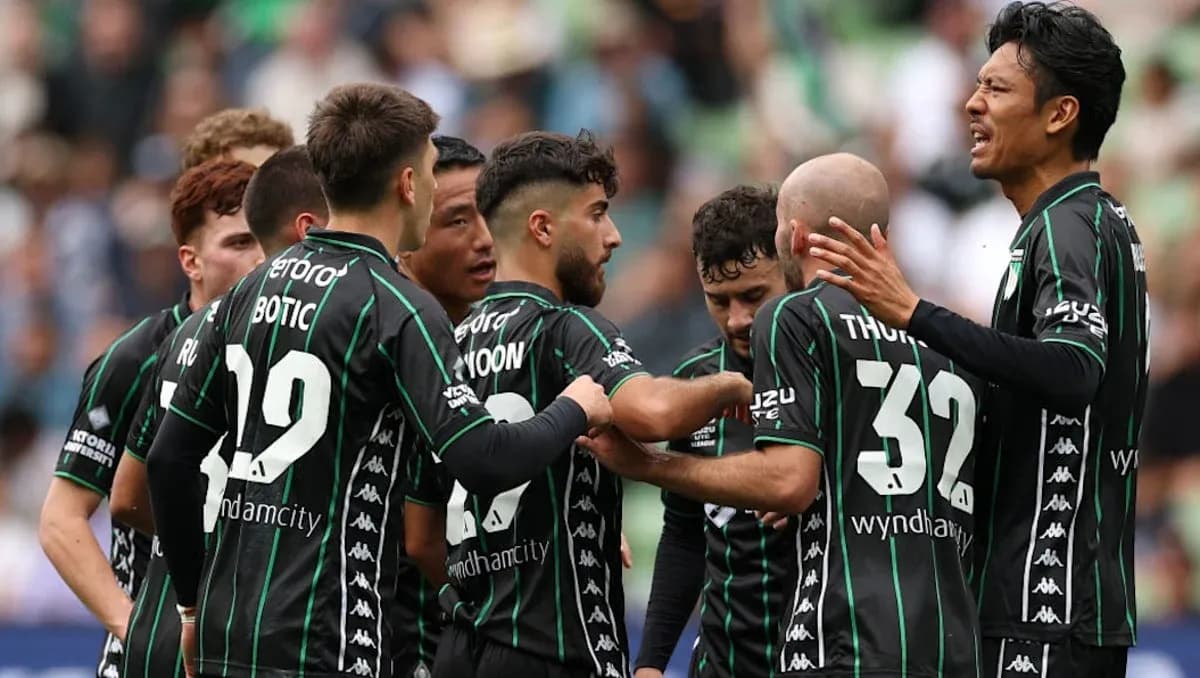
Western United is out of the A-League. Officially. Finally. And yet, the club insists this is not an obituary, but a prologue.
On Monday, the Australian Professional Leagues (APL) confirmed what had been looming for months: Western United has lost its A-League licence after breaching a series of obligations under a conditional hibernation agreement struck in September last year.
That agreement was supposed to buy time. It ended up marking the beginning of the end.
Licence Gone, Debt Mounting
The collapse has been long in the making. United’s push for survival stalled when a proposed takeover by an American investment group failed to materialise. Without that lifeline, the numbers became impossible to ignore.
The club was already reeling from a $15 million tax debt. Football Australia stripped its licence late last year. Liquidation followed. The players became free agents overnight. The coach, John Aloisi, had already walked, signing on with Chengdu Rongcheng FC in China in January.
By the time the APL spoke on Monday, Western United as an A-League entity was effectively a shell.
In its statement, the APL said United was “in breach of a number of its obligations” under the hibernation deal, despite efforts to work through “financial, governance and legal matters to try and rebuild the club”.
APL chairperson Stephen Conroy did not sugar-coat the impact.
“It’s been a difficult period for everyone connected to Western United - and we want to acknowledge the management, staff, players and especially the fans - who have given so much to the club and will no doubt be hurt by this news,” he wrote.
The damage, though, had already been done on and off the pitch.
From Hibernation to Hope
When Western United entered hibernation last year, the club clung to the idea that the pause was temporary, not terminal. Players leaving as free agents were framed as collateral damage in a longer game: survive the storm, regroup, return.
That belief has taken another heavy blow. Yet the club refuses to frame this as a collapse.
Within hours of the APL announcement, Western United released its own statement, attempting to wrest back control of the narrative.
“Today marks a significant moment in our history and the beginning of a new chapter,” the club declared.
The message was clear: the licence might be gone, but the badge, the colours and the idea of Western United are not.
“Over recent months, we have worked closely with the APL on a pathway that gives the club the best opportunity to survive, rebuild and return to the A-League under new ownership,” the statement continued.
The plan, such as it is, hinges on fresh money and fresh faces.
“This creates an opportunity for new custodians, new investment and a fresh start.
The objective must now be to preserve Western United’s identity in Melbourne’s west and work towards a return to the A-League for the 2027/28 season.”
Identity on the Line
That word — identity — now carries more weight than ever.
Western United has always tried to position itself as the club of Melbourne’s west, a region that has long argued it deserves its own elite football presence. Losing the licence threatens that claim, but the club is determined not to surrender it.
The focus now turns to survival off the A-League stage. The club says it will work with the APL, Wyndham City Council, different levels of government, prospective owners and the broader football community to find a sustainable model.
“This should not be the end of Western United. It should be the reset that allows the club to rebuild and return stronger,” the statement read.
The A-League will move on without Western United next season. Fixtures will be drawn, squads rebuilt, new narratives written.
Whether Western United is back among them in 2027/28, under new ownership and a repaired structure, will determine if this really is a new chapter — or the final one.