World Cup 2026: Could Gianni Infantino Push for a 64-Team Tournament?
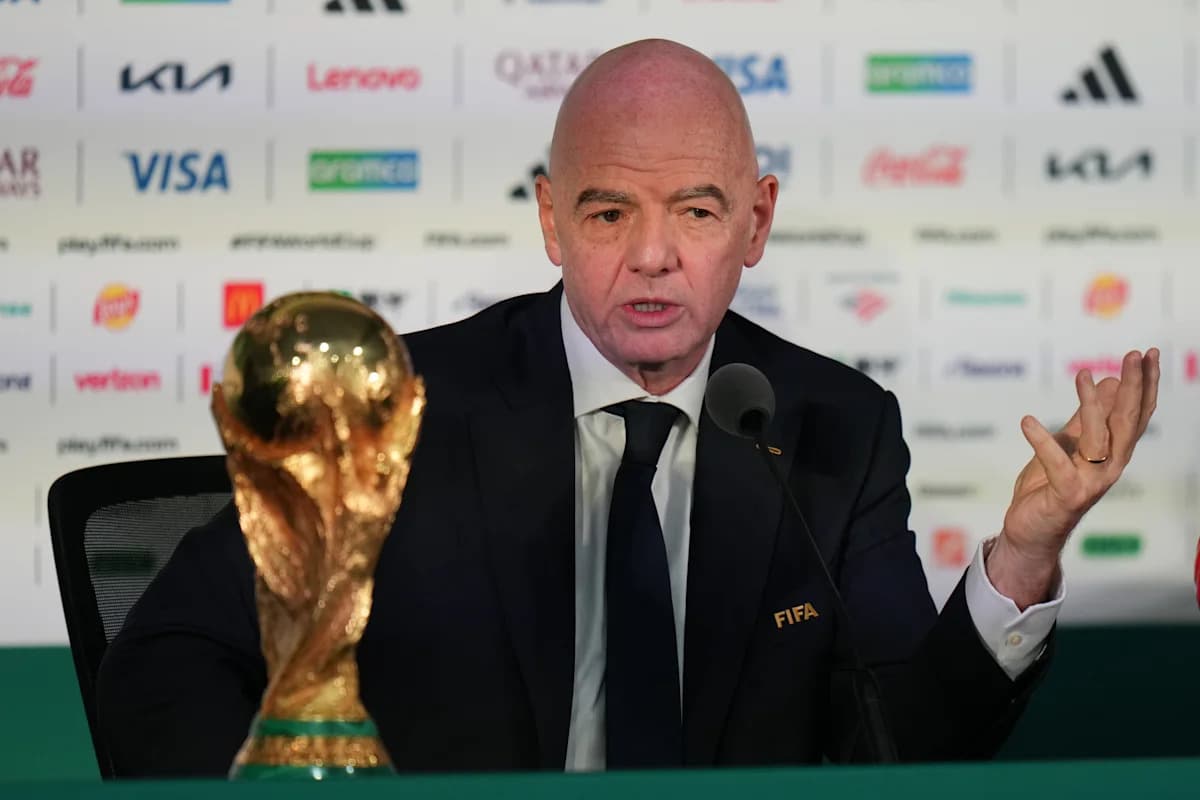
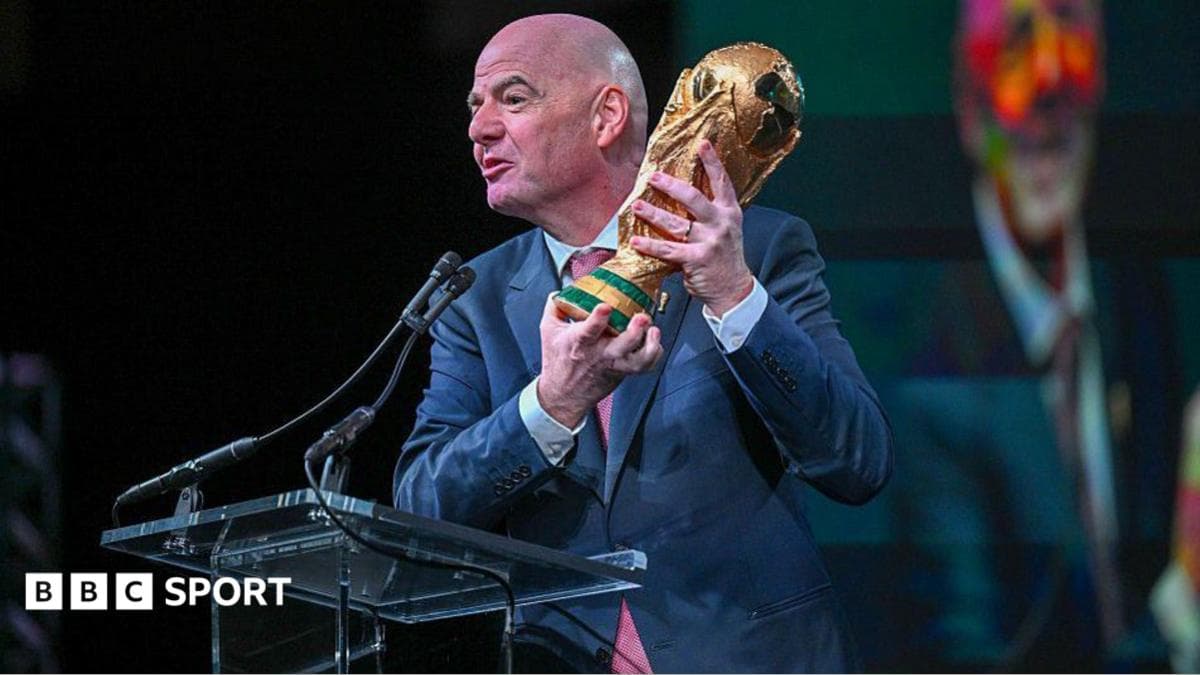
Gianni Infantino's decade at the helm of Fifa has been marked by an appetite for expansion. From adding more tournaments and matches to raising ticket prices, his tenure shows a clear pattern: bigger is better. The recent World Cup final even featured a halftime break lasting over 27 minutes, reflecting this spectacle-driven approach.
Now, Infantino seems ready to take it further, proposing a World Cup with 64 teams. He argues smaller countries need chances to participate or they lose motivation to improve. Yet, many smaller nations have already qualified in recent tournaments by earning their spot, like Cape Verde, Curacao, Jordan, and Uzbekistan.
What Would a 64-Team Format Look Like?
A tournament with 16 groups of four teams each would allow the top two from every group to progress, eliminating the need for selecting third-placed teams to advance. That structural change sounds logical enough, but what else drives this push to expand beyond the current 48 teams?
Who Supports This Expansion?
The idea gained traction partly because the 2030 World Cup celebrates 100 years since the first event in Uruguay. The centenary edition will be hosted across Morocco, Portugal, Spain, and South America (Uruguay, Argentina, Paraguay) for the opening matches.
South America's football confederation, Conmebol, wants more matches and proposed a one-off 64-team tournament to increase games and ensure no country misses out. Its president, Alejandro Dominguez, has repeatedly voiced his support for a 64-team format by 2030, believing it will foster international growth.
Opposition exists too. UEFA's Aleksander Ceferin called it a poor idea for the competition and qualifying process. Concacaf's Victor Montagliani warned it could harm football's broader ecosystem, while AFC's Sheikh Salman bin Ibrahim Al Khalifa fears chaos from further expansion. Despite these concerns, the final decision rests with the Fifa Council.
Would More Teams Lower the World Cup’s Quality?
Adding teams offers a more straightforward format and gives emerging nations greater exposure. Infantino highlights stories like Cape Verde’s unexpected success, reaching the last 16 and pushing Argentina to extra time.
Still, some newcomers struggled, including Haiti, Iraq, Jordan, Panama, Tunisia, and Uzbekistan, who failed to earn any points. The group stages often lacked tension for top-seeded teams.
Expanding to 64 could reduce surprises where traditional powerhouses miss out on knockout rounds. Based on 2026 qualifying rankings, additional countries that would join include:
Six of these are ranked in the world’s top 50. Asia and Concacaf showed weaker performances this year compared to Africa. For example, nine of Africa's ten teams advanced beyond the group stage, but only two of nine Asian sides and three of six Concacaf teams did.
This raises questions about competitive balance and whether Europe should receive more spots to maintain quality. Still, expanding could help football develop in more countries, even if it risks diluting the tournament’s intensity.
Logistical Challenges of a Bigger Tournament
Adding 16 more teams means four additional groups and 24 more matches, extending the tournament by around five days beyond the current 39-day schedule.
The 2026 World Cup’s unique setup—multiple time zones and indoor stadiums—allowed long matchdays spanning 14 hours for TV audiences. Future hosts might struggle with such scheduling, especially with climate concerns making daytime play harder.
Hosting 64 teams demands more stadiums, training facilities, hotels, and transport infrastructure. The 2026 tournament had 16 host cities with stadium capacities between 43,000 and 81,000, but expanding may require even more venues.
Joint hosting seems likely, possibly involving countries in the UK, Scandinavia, or Eastern Europe. Single-country hosting might become impractical, even for wealthy nations like Saudi Arabia.
Is Money the Real Motive?
Infantino promised increased funding for football associations, which now receive millions over four years, with smaller nations getting extra support. Confederations also obtain significant development funds.
Most of this money stems from World Cup revenues. Projections show a 48-team World Cup generating billions in revenue, and adding 24 more matches in 2022 further raised expectations.
A 64-team World Cup would likely increase income from TV rights, sponsorships, and ticket sales. While Fifa claims expansion grows the game globally, critics question if this growth benefits the competition itself or simply the bottom line.