World Cup Final Tickets: Luxury Assets at MetLife Stadium
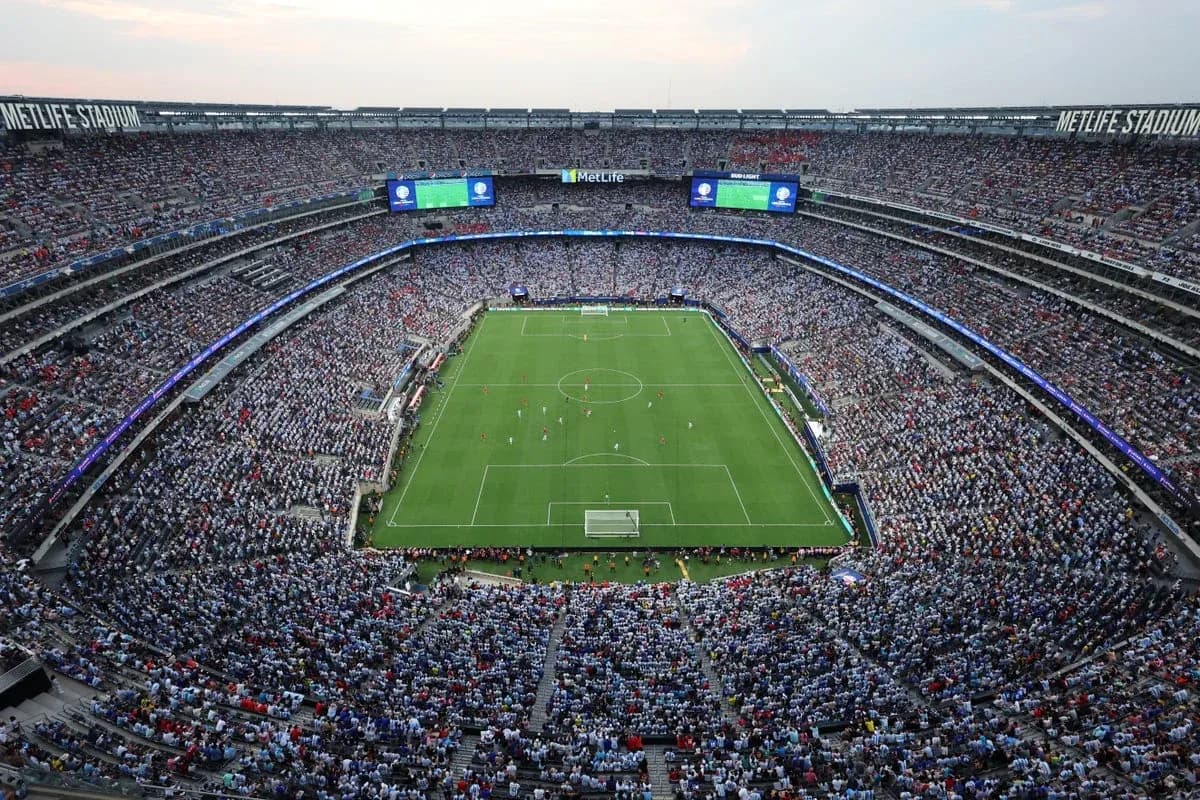
At MetLife Stadium this July, a seat at the World Cup final is no longer just a ticket to a football match. It has become a luxury asset.
On FIFA’s official resale platform, four seats behind the goal in the lower deck, block 124, are listed at just under $2.3m (£1.71m). Not for a hospitality box. Not for a private suite. For four standard seats in the stand.
FIFA stresses that it does not set those eye-watering asking prices on its own marketplace. The sellers name their figure, the buyers decide whether to pay it. FIFA, though, still takes its cut – 15 per cent from the buyer and another 15 per cent from the seller on every deal that goes through.
In a statement, the governing body framed the model as business as usual for a modern mega-event. Its ticketing and resale system, it said, “reflects standard ticket market practices” in the host nations, with facilitation fees “aligned with industry standards across North American sports and entertainment sectors”. The organisation also pointed to its “variable pricing” approach, a strategy designed to tweak prices to “optimise sales and attendance” while supposedly ensuring “fair market value”.
The market, right now, looks anything but fair to ordinary fans.
An aisle seat in the same lower deck is listed at $207,000 (£153,600). Up in the last row of the top tier, a category two place in the third deck carries a price tag of $138,000 (£102,400). Just a few feet away, another seat in roughly the same area is posted at $23,000 (£17,000). The cheapest tickets currently visible for the final on the official marketplace come in at just under $11,000 (£8,200) for four seats, four rows from the top of the upper deck behind a goal.
The spread is wild. The direction of travel is clear.
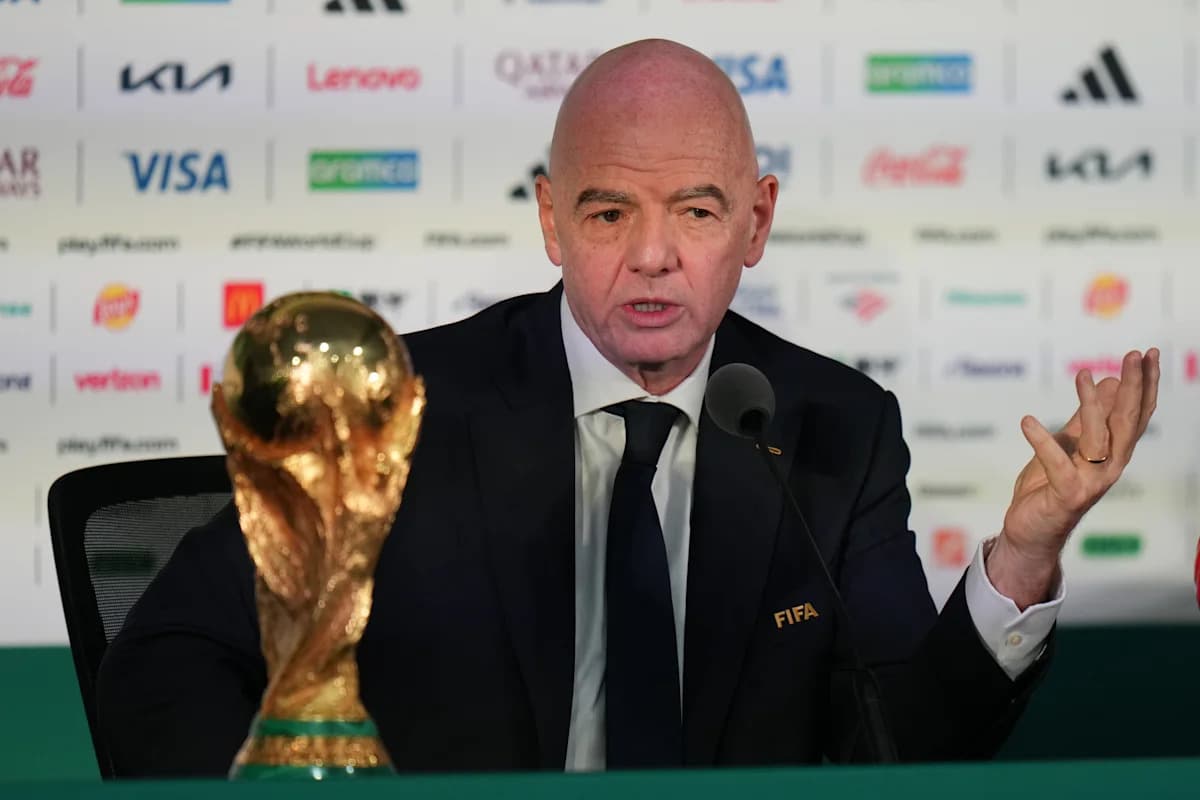
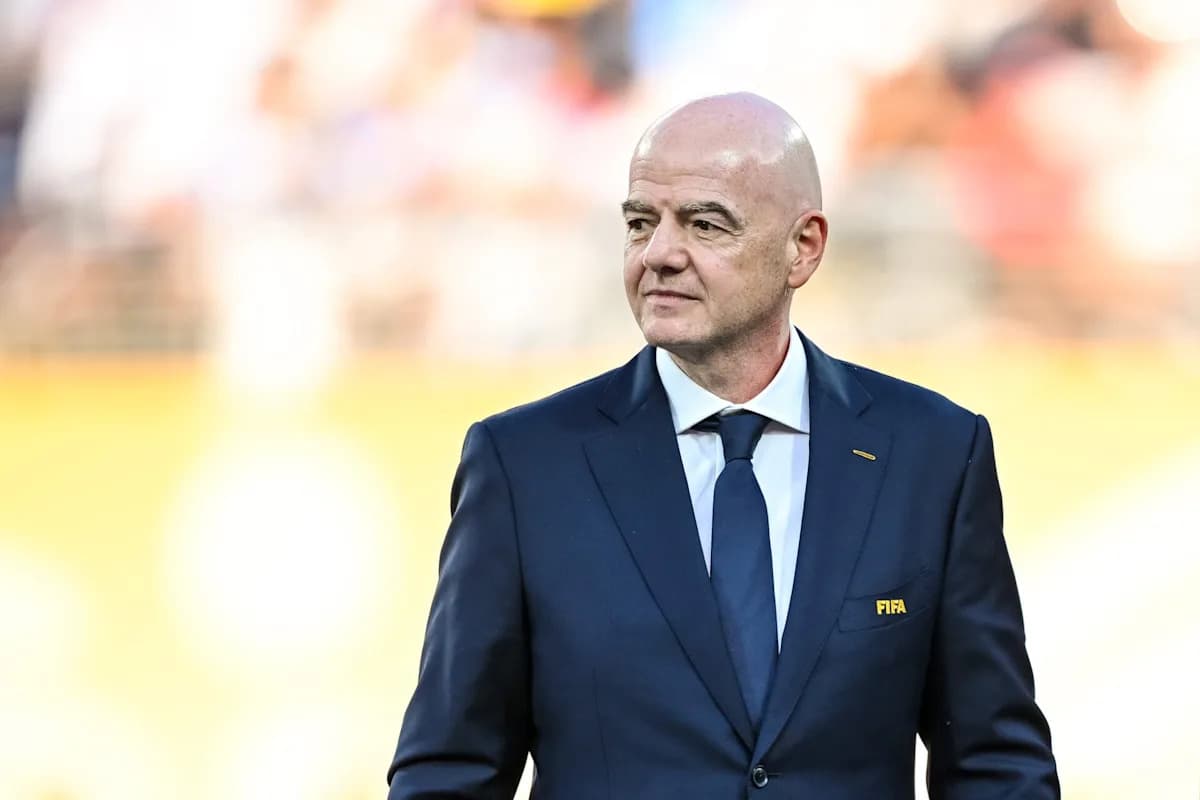
Gianni Infantino has chosen to defend the landscape rather than distance FIFA from it. The president leans on a familiar argument: the World Cup, he says, is not just a cash cow, it is the organisation’s lifeline.
“What many people don't know, because of course we generate billions in a World Cup, people don't know FIFA is a non-for profit organization, which means all the revenue we generate, we invest them in the organisation of the game, in 211 countries all over the world,” Infantino said. According to him, around three-quarters of those member associations “probably would not be able to have organized football without the grants we could give them”.
That is the balancing act FIFA claims to be walking. Soaring prices at the very top end, set against the promise that the money will flow back into pitches, programmes and federations that otherwise could not survive. “The main, and so far the only, revenue-generating event for FIFA is the World Cup,” Infantino reminded critics.
This week, another batch of tickets was released, including seats in Categories 1, 2 and 3, plus a new “front category” – an ultra-premium band that has lit the touchpaper online. Supporters who had already secured tickets in the traditional categories say they have since seen better seats ringfenced for this new, more expensive tier, leaving them pushed into less desirable spots despite paying early.
The backlash has been sharp. Fans are used to dynamic pricing, to surcharges, to service fees that quietly stack up at checkout. A World Cup final ticket edging towards £2m, listed on an official platform carrying FIFA’s badge, feels like something else entirely.
In the end, the game will still kick off on 19 July. The stadium will still be full. The anthem will still boom around MetLife as the teams line up. The question is who will be in those seats – and how far football is willing to stretch the idea of “fair market value” before the people who built the sport can no longer afford to watch its greatest show.