Australia's Tactical Victory Over Türkiye: Insights from the Match
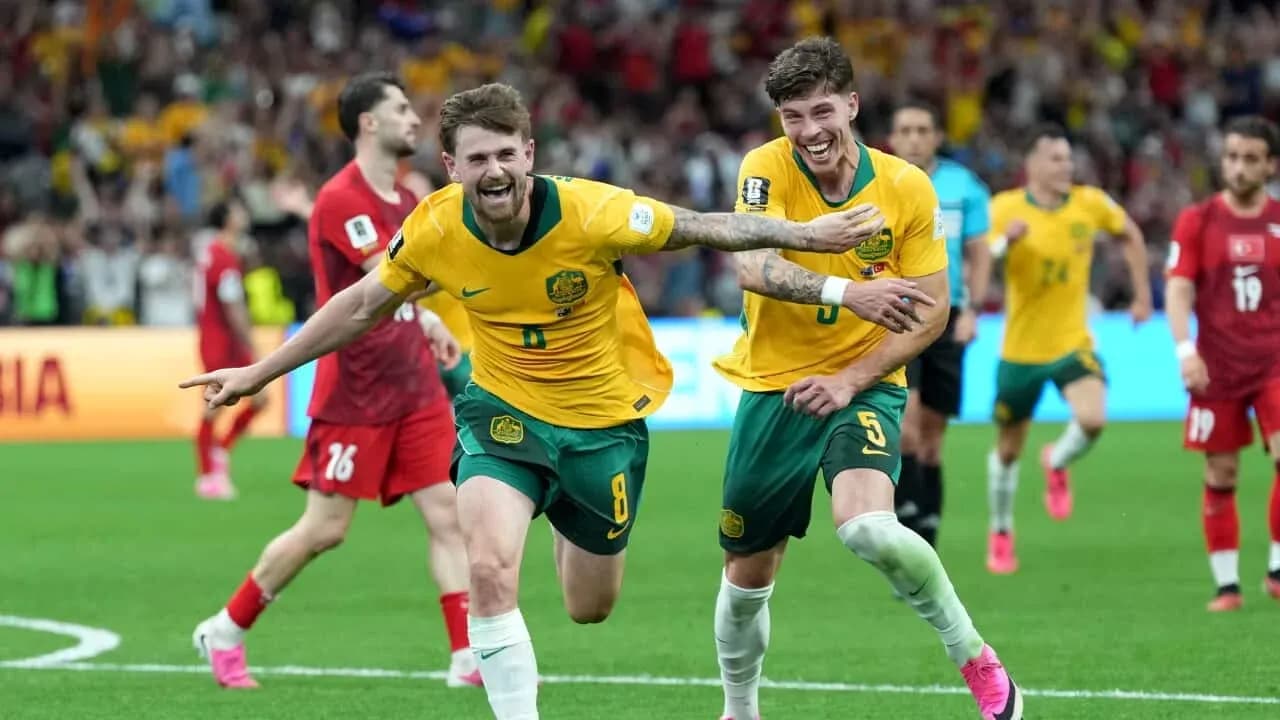
The night at BC Place ended with Australia 2–0 Türkiye, but the scoreline only hints at a deeper tactical story that will shape the rest of Group D.
I. The Big Picture – Structure, Scoreline, Stakes
On neutral turf in Vancouver, Tony Popovic’s Australia leaned fully into their structural identity: a compact 5-4-1 that prioritised defensive security and vertical transitions. Vincenzo Montella’s Türkiye answered with a 4-2-3-1, built around technical superiority between the lines and the creative gravity of Hakan Çalhanoğlu and Arda Güler.
Following this result, the standings snapshot is stark. Australia sit 2nd in Group D on 3 points, with a goal difference of +2 (2 goals scored, 0 conceded). Their overall record is 1 win from 1, and at home in this World Cup dataset they have played 1, won 1, scoring 2.0 home goals on average and conceding 0.0. Türkiye, by contrast, are 3rd in Group D with 0 points and a goal difference of -2 (0 goals scored, 2 conceded). On their travels they have played 1, lost 1, with an away goalsAgainst average of 2.0 and away goalsFor average of 0.0.
This was not a knockout tie – the round is “Group Stage - 1” – but the tactical intensity resembled a 1/8 final. Both coaches set up with clear, high-stakes game plans: Australia to suffocate and spring, Türkiye to probe and dictate.
II. Tactical Voids – What Was Missing, and the Discipline Story
There are no explicit absentees listed, so the voids here are more structural than personnel-based.
For Australia, the “void” is deliberate: by committing to a single forward in Mohamed Touré ahead of a flat midfield four, Popovic essentially sacrifices a second striker or a natural No. 10. The creative burden falls heavily on the wide midfielders and the advanced of the double pivot. That makes Nestory Irankunda and Paul Okon-Engstler more than just names on the teamsheet; they become the hinge between survival and progression.
Türkiye’s void is more subtle. On paper, the double pivot of İsmail Yüksek and Hakan Çalhanoğlu offers both security and progression. In practice, Hakan’s natural instinct to step into higher zones can leave İsmail exposed in defensive transition, especially when both full-backs, Zeki Çelik and Ferdi Kadıoğlu, push on. Without a dedicated destroyer sitting and screening, the back four can be left defending large spaces against counters.
Disciplinary trends underline how the game flowed. Australia’s season card profile is blank – no recorded yellow or red cards by minute range – which mirrors the control and composure of their 2-0 home win and their overall clean disciplinary slate. Türkiye, however, already show a pattern: 100.00% of their yellow cards so far have arrived between 76-90 minutes. Yunus Akgün embodies that late-game edge; in his 35 minutes he committed 1 foul and collected 1 yellow. This late surge in aggression suggests frustration when chasing the game and hints at vulnerability in emotionally tight closing phases.
III. Key Matchups – Hunter vs Shield, Engine Room Battles
Hunter vs Shield for Australia is less about a single prolific striker and more about how their emerging talents convert limited chances. Irankunda is already on the World Cup scoring chart: in total this campaign he has 1 goal from 2 shots, both on target, with a rating of 7.5 across 61 minutes. He is ruthlessly efficient, adding 1 successful dribble from 1 attempt and drawing 1 foul. In a system that doesn’t flood the box, that level of precision is their cutting edge.
That cutting edge is protected by an impeccable shield: overall, Australia have conceded 0 goals, with an average of 0.0 goalsAgainst both at home and in total. Their biggest home result is this 2-0, and they already have 1 clean sheet from 1 match. The five-man back line of Jacob Italiano, Alessandro Circati, Harry Souttar, Cameron Burgess and Jordan Bos is the structural reason their goal difference sits at +2.
For Türkiye, the “Hunter” role is more collective. Kerem Aktürkoğlu led the line, but the creative ammunition was supposed to come from Arda Güler and Orkun Kökçü operating behind him. The problem is that, in total this campaign, Türkiye have failed to score (0 goalsFor overall, 0.0 goalsFor on their travels). Their attacking patterns are still theoretical rather than proven.
The “Shield” on the Turkish side is under immediate scrutiny. Overall, they have conceded 2 goals, all away, for an away goalsAgainst average of 2.0. Merih Demiral and Abdülkerim Bardakcı form a robust central pairing on paper, but without consistent protection from the double pivot, they were repeatedly asked to defend space rather than just bodies. That is precisely the scenario Australia’s vertical transitions are designed to exploit.
In the engine room, Paul Okon-Engstler versus İsmail Yüksek was the decisive duel. Okon-Engstler is already the World Cup’s leading assister for Australia: 1 assist, 32 passes at 81% accuracy, 2 key passes, 3 tackles, 2 successful blocks and 3 interceptions in his 84 minutes. He is not just a creator; he is a two-way controller. Every time Australia regained the ball, he was the outlet and the first passer. Every time Türkiye tried to build, he was part of the first line of resistance.
İsmail, by contrast, was often left firefighting. With Hakan stepping forward, he had to cover wide and central lanes, track runners like Irankunda, and still offer a passing option. When that balance broke, Australia punched through.
IV. Statistical Prognosis – What This Performance Predicts
With no xG values provided, we infer from volume and efficiency. Australia’s season numbers are brutally clean: at home they average 2.0 goalsFor and 0.0 goalsAgainst, with 1 clean sheet from 1 and 0 failed-to-score games. Their biggest home win is 2-0 – exactly this match – suggesting a side that creates enough to win, then locks the door.
Türkiye’s metrics point in the opposite direction. On their travels they average 0.0 goalsFor and 2.0 goalsAgainst, with 1 failed-to-score from 1 and 0 clean sheets. Their biggest away loss is 2-0, again this game. Combined with a late-game yellow card spike (100.00% of yellows in the 76-90 window), the profile is of a team that runs into a defensive wall, grows impatient, and loses structure as they chase.
Following this result, the tactical verdict is clear. Australia’s 5-4-1, powered by the vertical threat of Irankunda and the all-court intelligence of Okon-Engstler, has an early identity: low-concession, high-efficiency football that travels well in tournament play. Türkiye, meanwhile, must tighten the space around their centre-backs and give their creators a more stable platform. If they cannot reduce that 2.0 away goalsAgainst average and turn sterile possession into chances, their World Cup will remain trapped in the realm of promise rather than progression.