Cremonese vs Como: Season Finale and Tactical Analysis
Stadio Giovanni Zini watched the season’s storylines harden into fact. Following this result, a 4–1 defeat at home to Como, Cremonese’s campaign closed with the cold clarity of the table: 18th place, 34 points, a goal difference of -25 from 32 scored and 57 conceded. Como, by contrast, sealed a statement season in fourth, on 71 points with a goal difference of 36, built on 65 goals for and just 29 against. One club slipped through the trapdoor; the other walked through the front gate of the Champions League.
This was not a dead rubber dressed up as drama. It was a live demonstration of each side’s seasonal DNA. Cremonese, in total this campaign, averaged 0.8 goals for and 1.5 against per match, a team living on the margins and too often on the back foot. Como arrived as one of Serie A’s most balanced machines, in total averaging 1.7 goals for and only 0.8 against, with a defensive structure that travelled almost as well as it played at home.
Team Formations
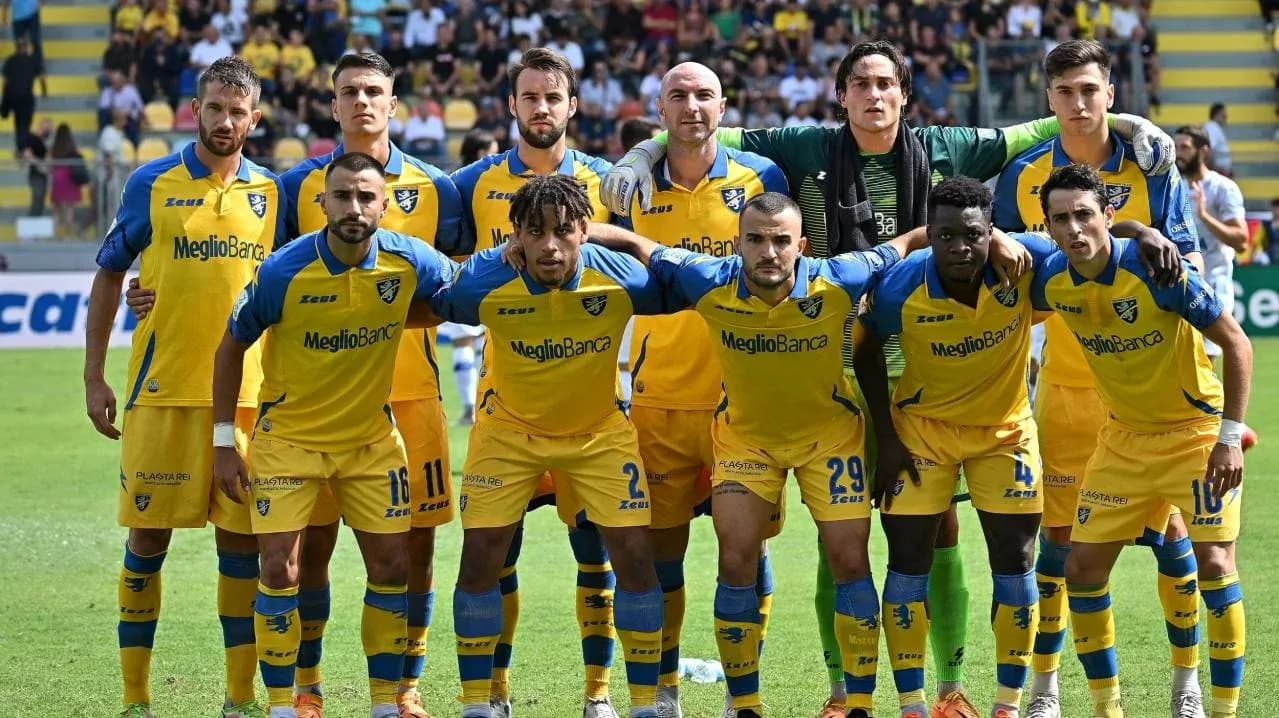
Marco Giampaolo leaned into familiarity, rolling out the 3-5-2 that has been his default – 26 league uses heading into this game. E. Audero sat behind a back three of F. Terracciano, M. Bianchetti and S. Luperto, with the width entrusted to A. Zerbin and G. Pezzella and a central trio of M. Thorsby, A. Grassi and Y. Maleh. Up front, F. Bonazzoli and J. Vardy formed a partnership that, on paper, blended penalty-box presence with vertical threat.
Cesc Fabregas responded with the structure that has defined Como’s rise: the 4-2-3-1, used 34 times this season. J. Butez anchored a back four of A. Moreno, M. O. Kempf, J. Ramon and I. Smolcic. In front, the double pivot of M. Perrone and L. Da Cunha offered control and protection, releasing an attacking trio of A. Diao, M. Baturina and Jesús Rodríguez behind lone striker T. Douvikas.
Absences and Tactical Risks
The absences only sharpened the contrasts. Cremonese arrived shorn of depth and variation: F. Baschirotto (thigh), W. Bondo (muscle), M. Faye (illness), F. Moumbagna (muscle), M. Payero (illness) and A. Sanabria (muscle) were all missing. That stripped Giampaolo of alternative profiles at centre-back, in the engine room and in attack – precisely the zones where his side needed fresh legs and different ideas. Como’s list was shorter but still notable: winger J. Addai (Achilles tendon) and A. Valle (thigh) were out, trimming Fabregas’s options for late-game width but not touching the core of his XI.
Discipline has been an undercurrent of Cremonese’s season, and it framed the tactical risk of their approach. In total, their yellow-card distribution shows a clear late-game spike: 26.03% of bookings arrive between 76–90 minutes, with another 10.96% from 91–105. Red cards cluster in the pressure zones too, with 16.67% between 61–75 and 33.33% between 91–105. It is a team that tends to fray when chasing. Como, for their part, are more controlled but not immune to chaos: 19.75% of their yellows come between 61–75 and another 19.75% between 76–90, while every red card in total this season has arrived in that 76–90 window. This finale always had the feel of a match that could tilt on emotional management as much as structure.
Key Players
The “Hunter vs Shield” duel was written down the spine. For Cremonese, F. Bonazzoli entered as their premier finisher: 10 league goals, 1 assist, and a 7.01 rating, with 57 shots and 32 on target. His task was brutal – to find space and leverage half-chances against a Como defence that, on their travels, conceded only 14 goals in 19 matches, an away average of 0.7. J. Butez’s back line had been stingy all year, and with J. Ramon blocking 17 shots and winning 181 of 298 duels in total, the aerial and physical battle was always going to be unforgiving.
At the other end, Como carried multiple hunters. T. Douvikas, with 14 goals and 1 assist across 38 appearances, is a penalty-box predator who also contributes in the press – 239 duels contested, 100 won. Behind him, N. Paz brought a different kind of threat: 12 goals and 6 assists, 51 key passes, and 125 dribble attempts with 69 successful. Crucially, Paz’s season also carried a flaw that mattered in big moments: in total he missed 2 penalties, a reminder that Como’s attacking edge, for all its brilliance, has its own pressure points.
Midfield Battles
The “Engine Room” battle was just as stark. For Cremonese, A. Grassi and Y. Maleh were tasked with knitting play and protecting transitions. Grassi’s numbers across the season – 854 passes at 85% accuracy, 32 interceptions and 23 tackles – speak to a player who reads danger well but also walks a disciplinary tightrope, with 4 yellows and a red in total. Alongside him, G. Pezzella’s 53 tackles, 14 blocked shots and 49 fouls committed underlined a combative profile that sometimes tips into excess.
Como’s midfield, by contrast, has been a platform of control. M. Perrone’s 2175 passes at 91% accuracy and 34 key passes in total show a metronome who rarely wastes possession, while still contributing 56 tackles and 22 interceptions. Around him, Jesús Rodríguez and M. Caqueret add incision and press resistance. Rodríguez leads the league’s assist-makers with 9, plus 36 key passes and 41 successful dribbles, but also brings edge: 3 yellow cards and 1 red in total. Caqueret, with 6 assists, 26 key passes and 35 tackles, is the balance piece – a connector who can both progress and protect.
Statistical Overview
From a statistical standpoint, the verdict on this match – and the season it capped – is ruthless. Cremonese’s home numbers tell the story: 18 goals scored and 29 conceded at Zini, an average of 0.9 for and 1.5 against. They kept 6 clean sheets at home but failed to score 7 times, a pattern of fragility and bluntness that a side as complete as Como was always likely to exploit. Fabregas’s team, away from home, married 30 goals scored with just 14 conceded, underpinned by 9 clean sheets and only 6 blanks. Their away average of 1.6 goals for and 0.7 against made them a top-tier road side.
Even without explicit xG data, the expected narrative is clear. Como’s shot volume and creative profiles – Paz’s 86 shots and 51 key passes, Rodríguez’s 36 key passes and 99 dribbles – point to a team that routinely generates high-quality opportunities while limiting opponents. Cremonese, by contrast, lean heavily on Bonazzoli’s finishing and Vardy’s movement without the same collective chance creation.
Following this result, the 4–1 scoreline felt less like a surprise and more like the logical endpoint of two trajectories. Cremonese’s structural issues – late-game discipline, limited attacking depth, and a porous defence – met a Como side whose balance, control and individual quality have been among Serie A’s stories of the season. One season ends in relegation, the other in Europe, and at Stadio Giovanni Zini the gap between those realities was laid bare.