Formula 1 in Sao Paulo: Mercedes Eye Title, Ferrari Seek Harmony
Formula 1 arrives in Sao Paulo with one world title already decided and another all but wrapped up, yet the paddock feels anything but settled. The numbers say the season is drifting towards its close. The mood says the opening act of 2027 has just begun.
Mercedes: One Hand on the Trophy, One Eye on 2027
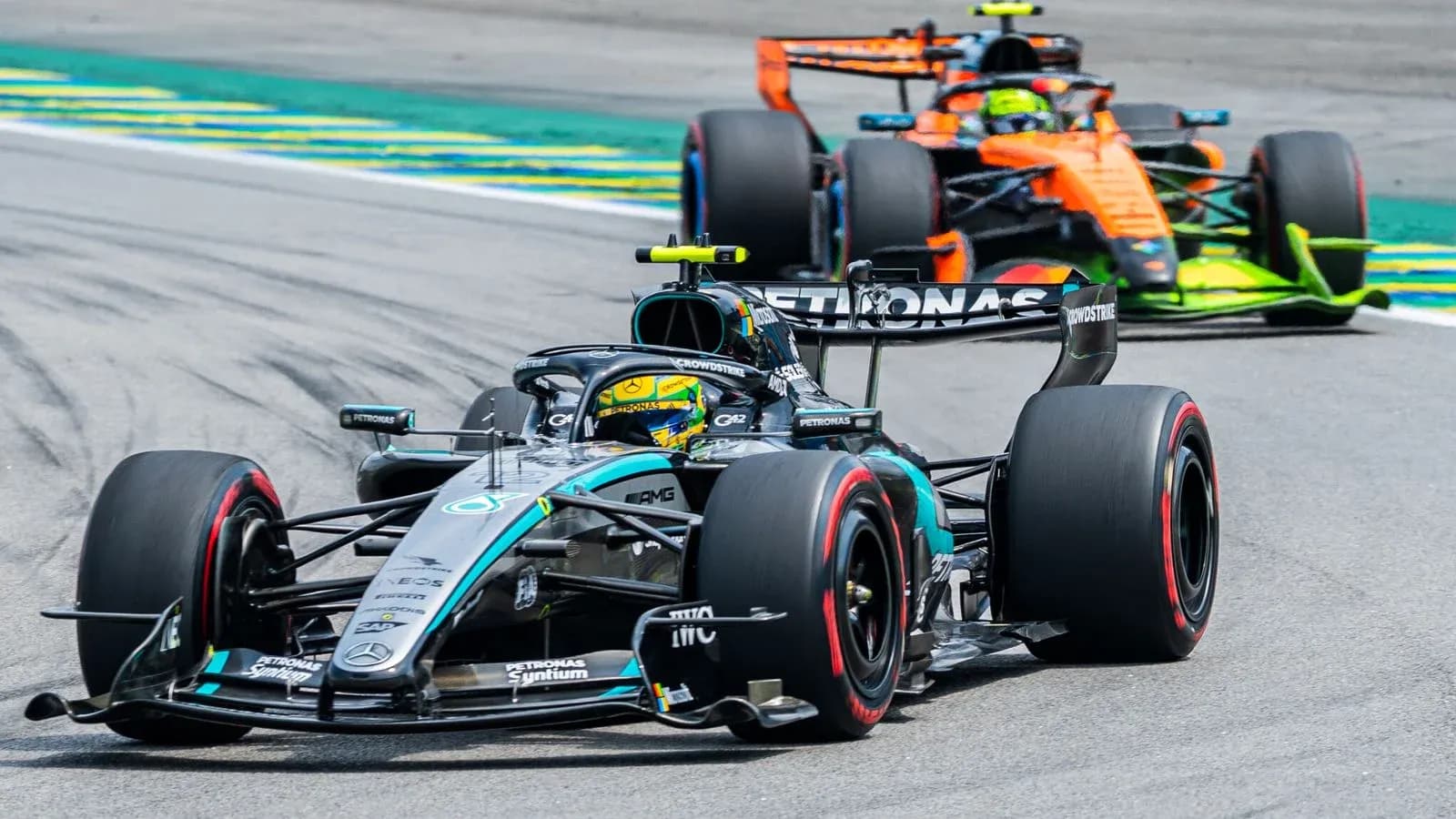
Kimi Antonelli has the drivers’ crown in his pocket. Mercedes need only three more points than Ferrari on Sunday to bank the constructors’ championship and officially mark their return to the dominance that defined the 2010s.
They have earned it in two very different seasons rolled into one. The first third was a procession: seven wins from eight races, the field stretched out behind a silver car that looked untouchable. Then the sport snapped back into its usual chaos. Over the last 12 races, Mercedes have taken six victories, Red Bull three, McLaren two and Ferrari one. Four teams, one bruising fight.
Antonelli, already looking past the champagne, views these final flyaways as groundwork for a title defence in 2027. George Russell, beaten in the intra-team battle, is combing through the debris of his season, trying to understand how a year that began with such promise slid away from him.
The constructors’ title is the immediate target. The bigger picture is more ominous for everyone else: Mercedes are winning again, and they are doing it with the quiet efficiency that once made them inevitable.
Ferrari: Fast Car, Fractured Harmony
If Mercedes are trying to close a chapter, Ferrari are trying to stop a fire spreading.
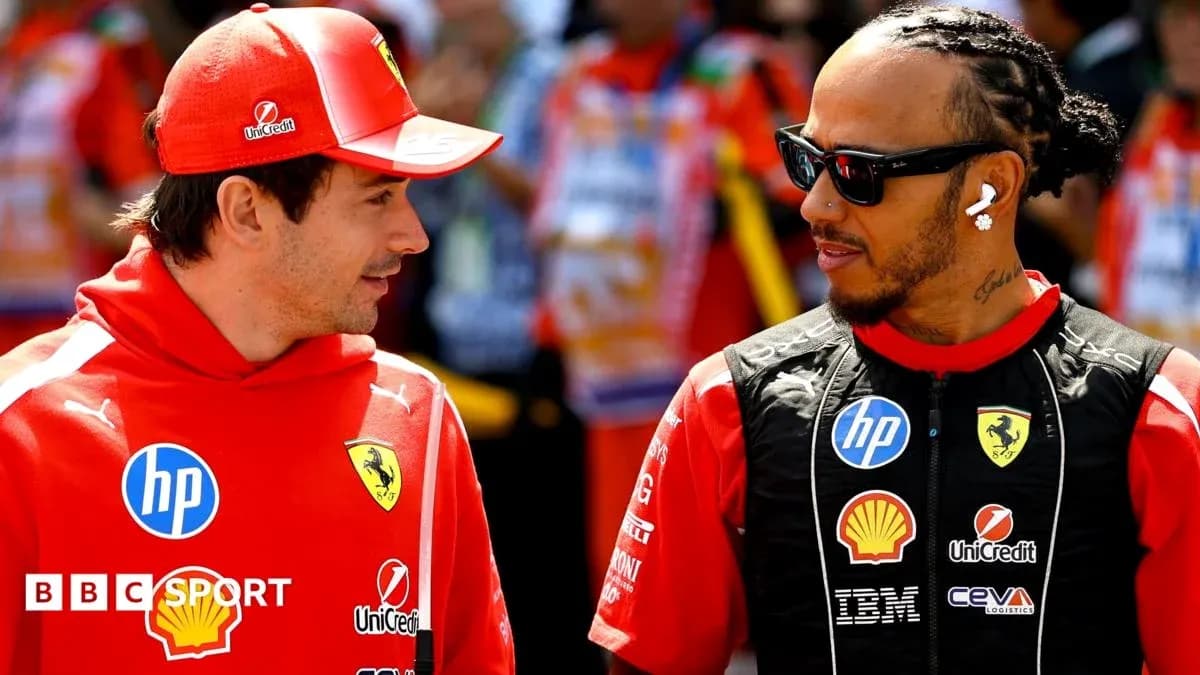
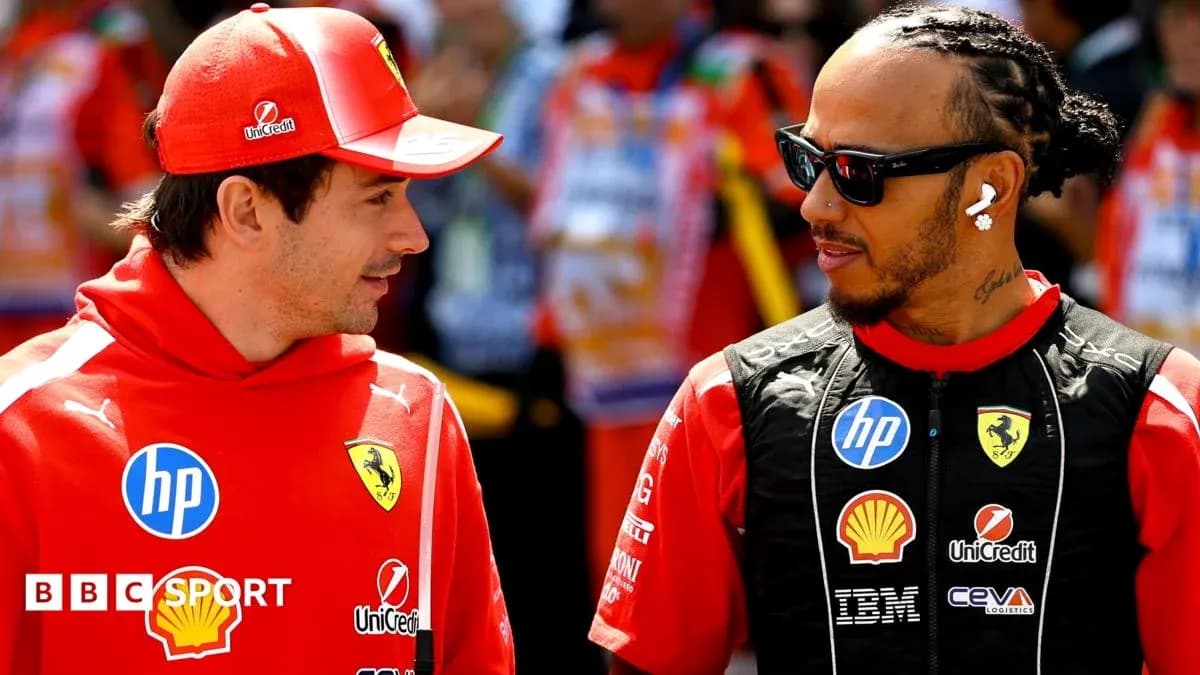
The flashpoint came in Mexico. Lewis Hamilton and Charles Leclerc, on course for a comfortable one-two, managed to collide on the opening lap and throw away the result. Hamilton emerged furious, talking about “big problems” and the need for “serious talks”.
Those talks came on Thursday night in Brazil. Leclerc and team principal Frederic Vasseur flew back to Europe between races, then reconvened at Interlagos with Hamilton for a clear-the-air summit.
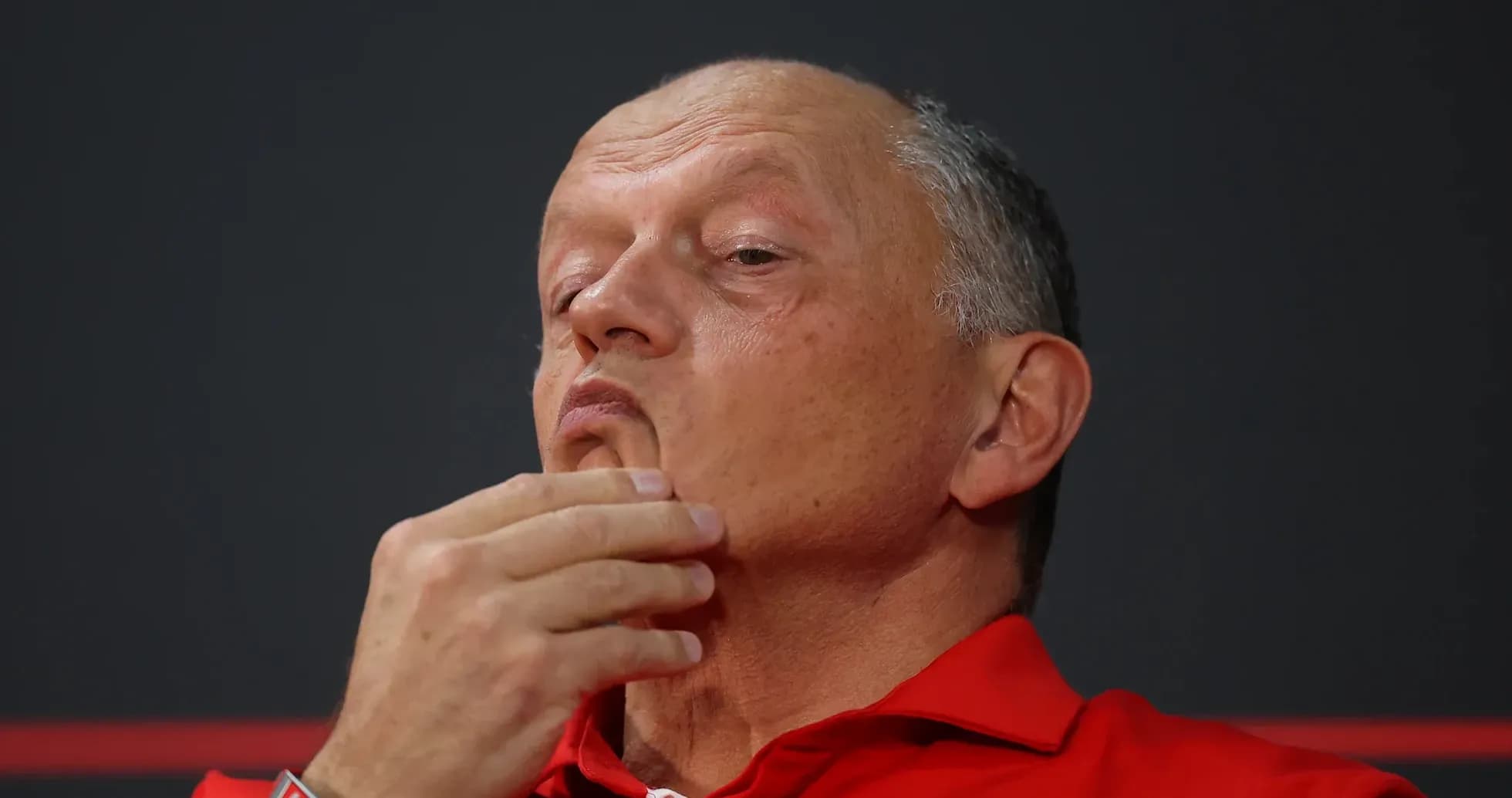
“It went well,” Vasseur said on Friday. “It was good to discuss. It was good to clarify our positions and now we turn the page.
“The guidelines are still the same. They need to respect each other. They are competitive with fighting spirit but they need to respect the other one and the brand and the people working back home and on track.
“The message was clear and will stay clear. Overall it is true that they are working for the team and the team has to come first. It's clear we failed and we have to react but the meeting was a clear reminder that Ferrari comes first.”
The scale of the problem is obvious. So is the risk. Ferrari have a chassis that, on many weekends, has been the class of the field. If they can drag the power unit up to the level of Mercedes and Red Bull, they will have a genuine title package next year. But that only matters if the drivers stop treating each other like enemies.
Hamilton has not softened his stance. He has drawn a sharp line between how Leclerc races him and how the Monegasque handles others, citing Singapore, where Leclerc yielded to Max Verstappen into Turn One, as a contrast to the aggression in Mexico.
“We could have easily had a one-two and so we definitely have to work towards making sure that doesn't happen again,” Hamilton said.
He went further, suggesting this is part of a pattern in Leclerc’s relationships with team-mates, referencing Sebastian Vettel and Carlos Sainz.
He is not backing away from any of it.
“Of course, there's some times you say things and maybe you might regret it afterwards, but I don't,” he said. “I've never apologised for being authentic and real. And I'm not going to be silenced. I have not been asked to not say anything. And that's just the way it is.
“I wear my heart on my sleeve and I say how I feel in the moment.”
Hamilton knows exactly what he is doing. He is pushing the team, pushing Leclerc, and pushing Ferrari towards the standards he believes are required to win a championship again.
“It's not so easy having someone like me come into a team because I'm very outspoken and I push and push and push, push for so many changes and I'm going to be pushing for more,” he said. “As long as I'm here, that's how it's going to be. I'm here to win. And to be able to win, you have to work with everyone around you.
“I truly believe that this team can be fighting for the championship next year.
“I'm in the process of working with the head of aero, the head of aerodynamics to make sure that we hold on to the goodness of the car we have this year and fix some of the small, subtle things that could be better.
“And obviously, the power-unit, they're doing their thing and I really hope that they're able to pull through.”
Ferrari have the pace. What they do not yet have is peace.
Red Bull: From Crisis to Counter-attack
Red Bull arrive in Brazil in a very different mood from the one that gripped them at the start of the year, when they were almost a second off the pace and stuck in the midfield.
Now? Max Verstappen has won three of the last four races. He cashed in on Ferrari’s self-destruction in Mexico to climb to second in the drivers’ standings, something that looked fanciful when he was scrapping for sixth and seventh.
“It's a big surprise to be second in the championship, but we take it,” Verstappen said.
“We had a lot of difficulties as a team in the beginning. The car was not where we wanted it to be. Probably also we still had to learn quite a bit from the power units, and I think we really learned a lot throughout the season.
“From my side, it's just you never really give up or, in terms of, like, you just never really settle for P6 or P7, right?
“Even when I was in that position or fighting the midfield, I was still trying to do the best that I could get out of the situation.
“Sometimes that is a P6 when the car is not able to perform better. But then once the car is in a better window, then you can fight further up front and eventually, of course, win races.
“And, of course, when you win, you take points out of everyone else. So that's been the scene a bit the last races, and I'm, of course, very happy with that.
“But it also shows that the team never gave up and they were really pushing to find these improvements and understand the difficulties. I'm just happy that within a season we had such a big turnaround.”
The fight for second in the championship has tightened into a four-way knot: Verstappen leads Hamilton by two points, Hamilton is nine clear of Russell, and Russell has five in hand over Leclerc.
None of them truly care about finishing runner-up. First is what matters. Fourth would even carry a perverse bonus: missing the compulsory FIA prize-giving gala in Shanghai, a long haul to China one week after the season ends.
But the teams care. The constructors’ table decides prize money, and Red Bull’s scrap with McLaren for third has 17 points between them and around $10m at stake.
McLaren: Searching for the Sweet Spot
McLaren’s season has traced a similar shape to Red Bull’s, only from a lower starting point. They began the year adrift of Mercedes, then hacked chunks out of the gap. In mid-summer, when Lando Norris won in Hungary and the Netherlands, they briefly owned the fastest car in the field.
That spell faded. The upgrades stalled. The field closed in again.
Norris, though, senses they are not far away.
“I certainly feel like the last few weekends, the pace has not been too bad on Sundays,” he said. “I feel like if things were just a little, little bit better, talking small amounts, we certainly could have had better results. And I'm hoping that the upgrades and some of the things we have this weekend can maybe just shift us a little bit more in this direction.
“I certainly don't expect to go out and win races all of a sudden. But the last few weekends, we've certainly not been miles away. We certainly have some weaknesses in the car and just the drivability, the difficulty of driving it is certainly one of the biggest factors at the minute.
“But the potential has been there. So I hope if it just puts us a little bit more forward in qualifying, we just have a little bit better chance in the race. And of course, I would like to be back on the podium as soon as possible.”
McLaren came into this season knowing they had sacrificed some of their 2026 prospects to make sure they closed out last year’s championship. They also now understand that the current car carries flaws they did not fully grasp at the start: gear ratios that are too short, drag that is too high, a wheelbase that is shorter than ideal.
Those are baked in for this year. They can be fixed for next.
Once the learning curve on the new power units flattens, McLaren expect a very different baseline. For now, they are trying to squeeze every lesson they can out of the remaining races.
A Grid Looking Beyond Brazil
Friday practice in Sao Paulo offered only hints. Antonelli looked sharp. Norris, armed with McLaren’s upgrades, also appeared in decent shape. The real picture will come once fuel loads drop and engines are turned up.
Behind the lap times, the calendar itself hangs under a cloud.
On paper, three races follow Brazil: Las Vegas, Qatar and Abu Dhabi. In reality, uncertainty surrounds the two Gulf rounds because of the war in the Middle East.
MotoGP, run by the same US ownership group that controls F1, is in Qatar this weekend, effectively stress-testing the conditions for the grand prix scheduled at the end of the month. Personnel there have been handed a stark set of instructions on what to do in the event of a missile strike.
A decision deadline is close. F1 has consulted governments and security experts and believes it has pushed as far as it can to secure guarantees.
The sport, like its teams, can prepare obsessively. It cannot dictate what happens beyond the circuit fences.
So Formula 1 pushes on to Sunday in Sao Paulo, chasing points, prize money and momentum, while somewhere above it all hangs a larger question: how do you plan for the future when the world beyond the paddock refuses to sit still?