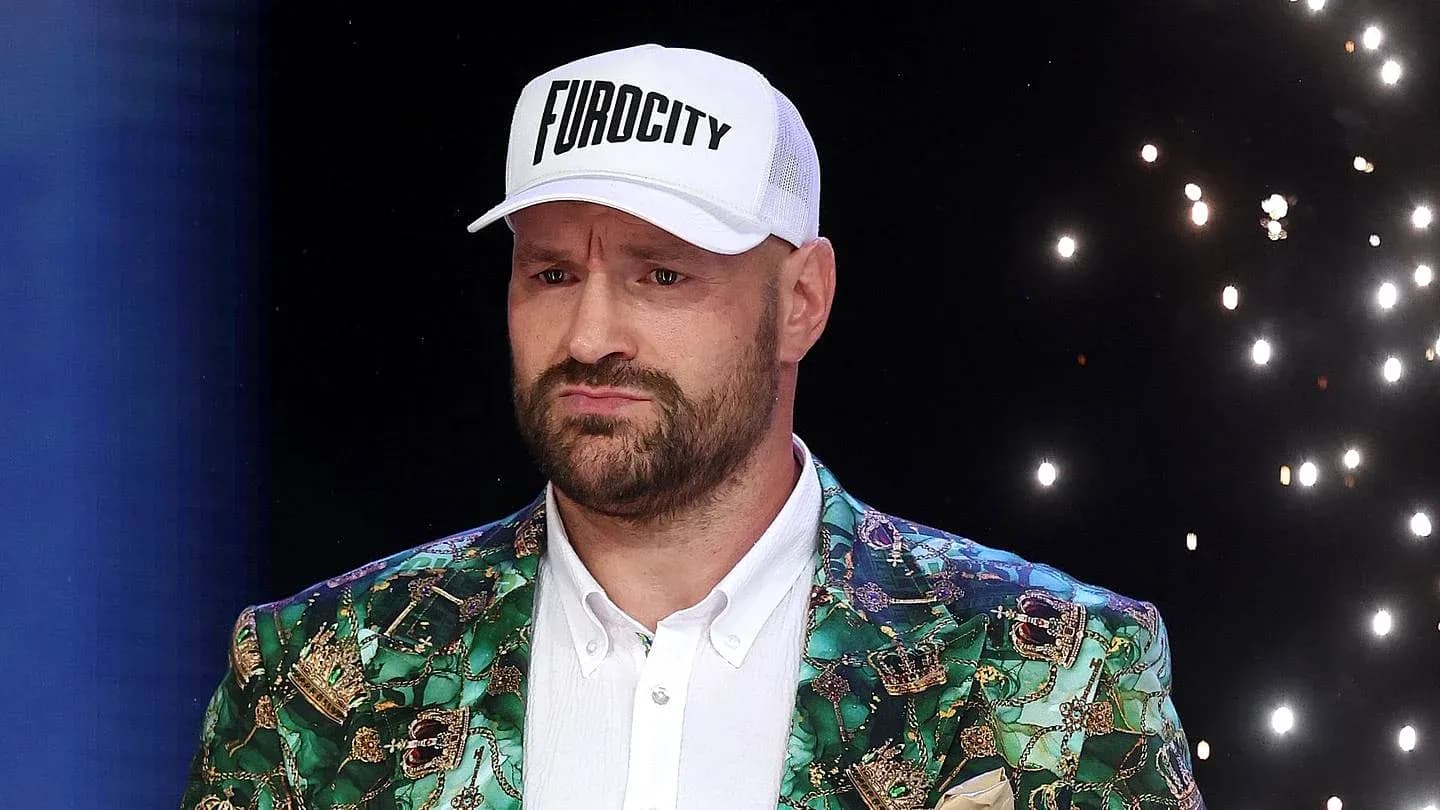
Fury's Bold Assessment of Wilder's Decline
Tyson Fury has never needed a microphone to sell a fight, but he knows exactly how to use one. With Anthony Joshua looming on December 11 in Cardiff, the former unified heavyweight champion is doing what he has always done best outside the ropes: setting the tone, controlling the narrative, and firing at old rivals.
This time, the target is familiar. Deontay Wilder. And Fury is not pulling a single punch.
Fury turns his fire on Wilder
From 2018 to 2021, Fury and Wilder carried the heavyweight division on their shoulders. Three fights, one draw, two violent Fury knockouts, and a rivalry that defined an era. Since that trilogy closed, their careers have split in opposite directions, but the “Gypsy King” still has strong views on where Wilder now stands.
"It's silly, really, for Deontay's part. He should not be in the ring. He should be nowhere near it," Fury told FightHype, his words as sharp as any jab. "It's a dying shame that this man has to continue to fight when he's shot to bits. He should never have fought again after I beat him the last time. That should have been the end of it."
For Fury, that third fight was not just the end of a rivalry. It was, in his mind, the end of Wilder as a truly dangerous heavyweight.
The Zhang warning sign
Wilder once terrified opponents with the kind of power that could erase mistakes in an instant. One clean right hand, and the fight changed. That aura, Fury insists, has gone.
He points to the loss to Zhilei Zhang as the clearest evidence. Wilder looked static, unable to slip or counter, a far cry from the explosive athlete who rose off the canvas against Fury in their first meeting. The speed had drained away. The legs were heavy. Zhang hit him at will.
"If you're getting knocked out by people that you probably should have knocked out yourself..." Fury said, using that fight as his reference point. He then turned to Wilder’s laboured outing against Derek Chisora as another red flag.
"Him and Chisora were shockingly terrible when they fought. Chisora is like 145 years old, and he was taking Wilder's knockout power shots that are not there anymore, flush in the face, not even budging him. It is a shame, because if you want to match them two five years ago, it would not have lasted one round."
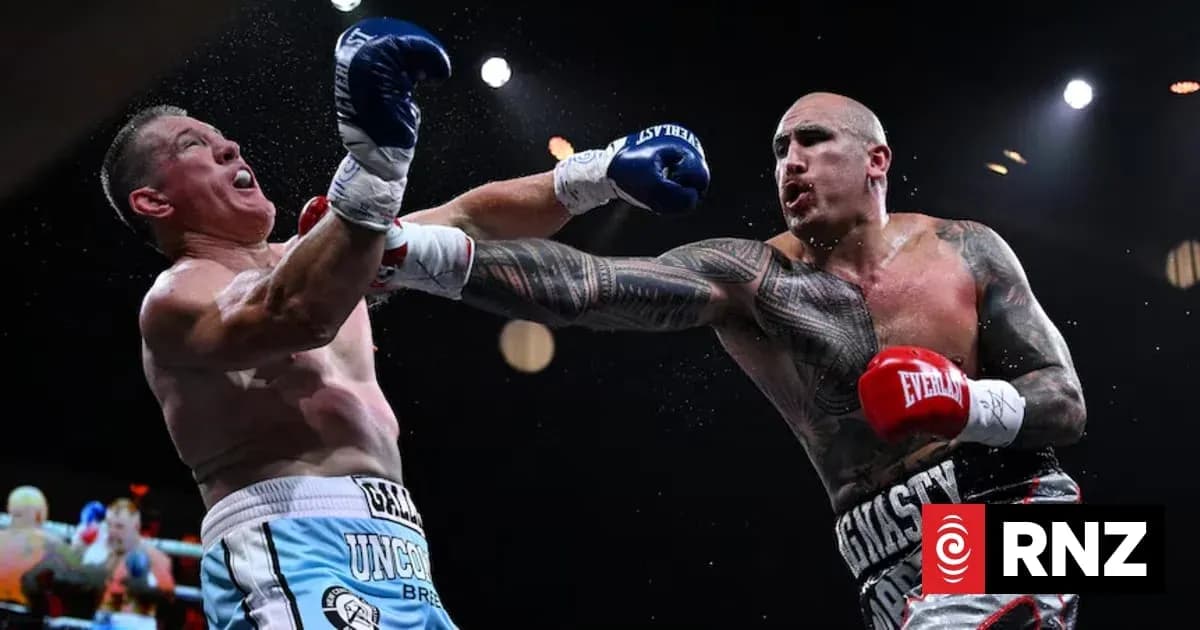
The image is brutal. A once-feared puncher loading up, landing clean, and watching an ageing opponent walk through it. For Fury, that is not just decline. That is confirmation.
Wilder rolls the dice again
Yet the story is not over. Far from it. While Fury prepares for Joshua in the main event in Cardiff, Wilder will step through the ropes on the same night, on the same bill, chasing one more run.
His opponent, Jai Opetaia, is moving up from cruiserweight and sees the opportunity for what it is: a chance to beat a former WBC heavyweight champion under the brightest lights and plant his flag in the division. He will be younger. He will be quicker. If he can stay away from what remains of Wilder’s power, his engine and movement could drag the older man into deep water.
That is the gamble for Wilder now. The margin for error has shrunk. The chin, the legs, the reflexes – all of them face the kind of examination that only heavyweight boxing can deliver.
Fury’s harsh words, and a hint of sympathy
For all the savagery of his assessment, Fury’s criticism is not just mockery. There is a trace of something else in his comments: the understanding of a man who knows how hard it is to walk away.
"It's a hard thing to walk away from, and we've seen so many of the greats come back for whatever reason over the years, usually financial reasons, and it is a hard one to see, and it's a sad state of an affair, to be fair."
That line lands differently coming from Fury, a fighter on the far side of 35 himself, who has spoken often about retirement, comebacks, and the toll of the sport. He recognises the pattern. The names change, the weight classes change, but the story rarely does.
In the end, as Fury notes, if Wilder keeps passing the governing bodies’ medicals, the ring will always be there and the cheques will keep coming. The question now is not whether Deontay Wilder can still punch. It is how long he is willing to keep finding out the answer the hard way.