Loudoun United vs Richmond Kickers: A Tactical Analysis
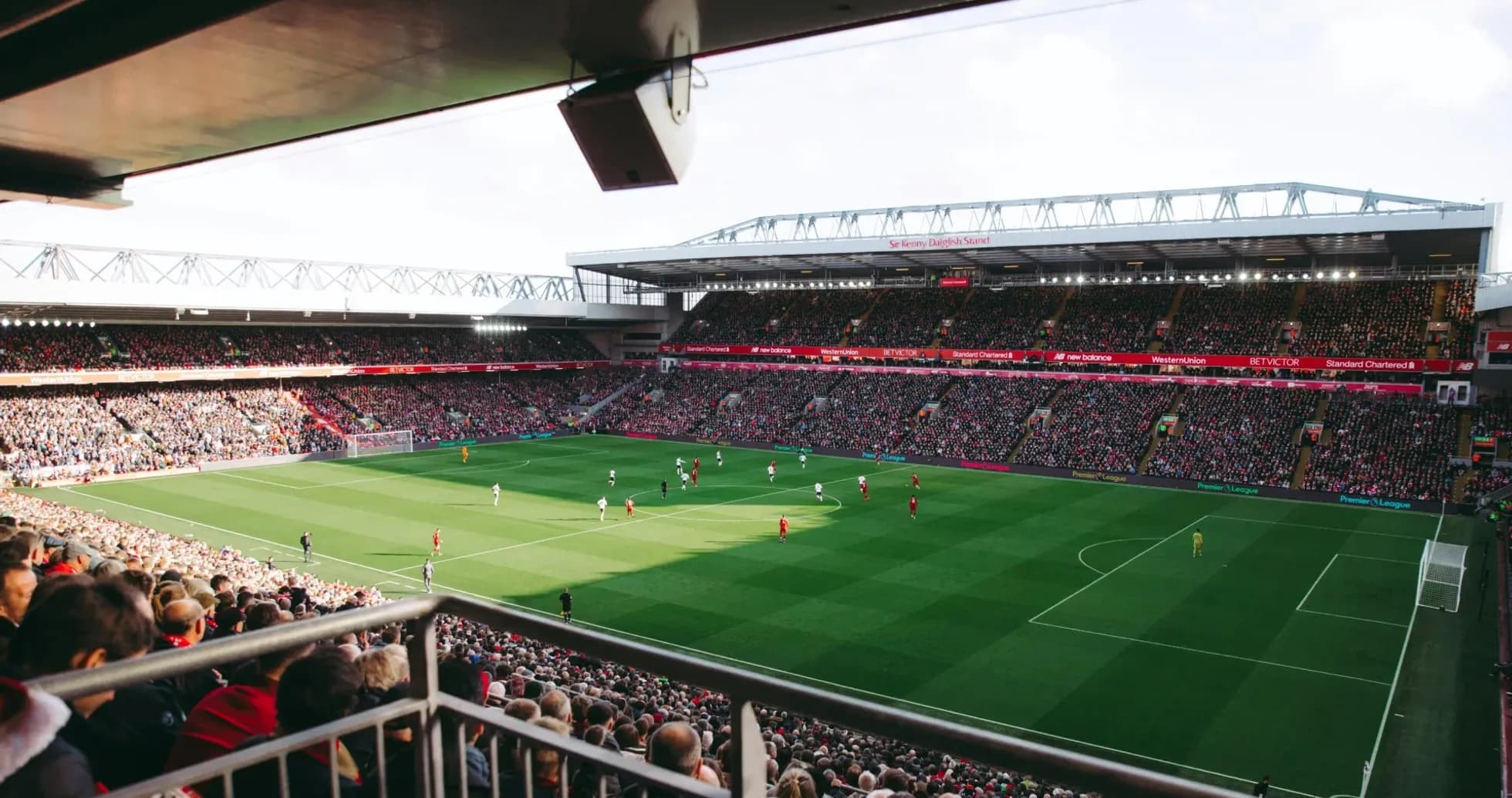
Segra Field had the feel of a proving ground rather than a simple group-stage backdrop. In the USL League One Cup’s Group 6, Loudoun United and Richmond Kickers arrived carrying very different kinds of baggage, and the 2–0 scoreline at full time felt less like a one-off and more like a crystallisation of their early‑tournament identities.
I. The Big Picture – Loudoun’s controlled reset, Richmond’s deepening slide
Following this result, Loudoun sit 4th in Group 6 with 3 points from 2 matches. Overall this campaign they have played 2 fixtures, all at home, winning 1 and losing 1. In total this campaign they have scored 3 goals and conceded 2, giving them a goal difference of +1, and at home they average 1.5 goals for and 1.0 against. It is a small sample, but the pattern is clear: at Segra Field they are capable of controlling matches and edging them with a functional, rather than flamboyant, attack.
Richmond, by contrast, are now 6th with 0 points from 3 group matches. Overall this campaign they have lost all 3 fixtures, scoring just 1 goal and conceding 8 for a goal difference of -7. At home they have averaged 0.5 goals for and 3.0 against; away, on their travels, they have yet to score and are conceding 2.0 per match. Heading into this game, that defensive fragility and blunt attack framed everything: this was a side searching for stability, but with numbers that screamed vulnerability.
The 2–0 Loudoun win therefore fits the existing arc. It reinforces Loudoun’s emerging home‑field assurance and deepens Richmond’s narrative of being stretched, conceding too often, and lacking the punch to claw games back.
II. Tactical Voids – Discipline, edge, and the missing control
There is no explicit injury or suspension list in the data, so the “voids” here are more structural than personnel‑based. Both coaches, Anthony Limbrick for Loudoun and Darren Sawatzky for Richmond, had full benches and standard‑sized squads to work with: Loudoun named 11 starters and 6 substitutes; Richmond 11 starters and 7 substitutes.
The disciplinary profile, though, tells us where each side is living on the edge. Loudoun’s yellow-card distribution this campaign is heavily back‑loaded: 60.00% of their cautions arrive between 46–60 minutes, with another 40.00% between 76–90. That points to a side that raises the physical intensity after the interval, pressing higher and contesting second balls more aggressively as they protect or chase a result. It is a calculated risk: they avoid early bookings but are willing to walk the line in the decisive phases.
Richmond’s card map is more evenly spread and more worrying. In total this campaign they have accumulated yellows across almost every 15‑minute band up to 75 minutes: 12.50% in each of 0–15 and 16–30, 25.00% between 31–45, and a peak of 37.50% in the 46–60 window, followed by 12.50% from 61–75. That profile suggests a team that is often chasing games, stretched in transition, and resorting to tactical fouls early and often. Without any red cards yet, they are staying just inside the line, but the constant drip of cautions hints at a side that struggles to control tempo or territory.
III. Key Matchups – Hunter vs Shield, and the Engine Room battle
With no explicit top‑scorer or assist charts available, the “Hunter vs Shield” matchup is framed more by unit performance than individual numbers. Loudoun’s attack, led by starters like T. Ulfarsson, P. Santos, A. Aboukoura and J. Murphy, has produced 3 goals at home across 2 fixtures. That 1.5 home goals‑per‑game average is not explosive, but it is efficient. Their biggest home win so far is 2–0, exactly the margin they reproduced against Richmond, showing a preference for structured, two‑goal cushions rather than chaotic shootouts.
On the other side of that duel stands Richmond’s defence, which has conceded 8 goals in 3 matches overall, including 2 away. The biggest defeats – 0–4 at home and 2–0 away – underline a back line that can be overwhelmed by sustained pressure and is not yet equipped to absorb long spells without conceding. Starters such as M. Murana, S. Vinberg, B. Howell and D. Moore form the defensive core in front of goalkeeper J. Sneddon, but the numbers show that the collective shield is porous.
The “Engine Room” confrontation is where Loudoun quietly won this fixture. In midfield, figures like B. Akinyode and J. Panayotou give Limbrick a platform to manage rhythm. Loudoun’s campaign data shows they have yet to fail to score in any match and have one clean sheet at home, pointing to a side that keeps the ball well enough to limit opponents’ chances while always carrying some attacking threat.
Richmond’s central unit, with players such as N. Seufert, T. Pannholzer and A. Amer, has not yet found the balance between creativity and protection. Overall this campaign they have failed to score in 2 of 3 fixtures and have no clean sheets. That combination – low xG output implied by just 1 goal total and high goals‑against numbers – points to a midfield that is neither shielding the back line effectively nor consistently connecting with forwards like L. Johnson and J. Kirkland.
IV. Statistical Prognosis – A tale of solidity vs exposure
If we translate the existing numbers into an Expected Goals‑style prognosis for how this matchup tends to play out, the picture is stark. Loudoun’s overall scoring rate of 1.5 goals per match and concession rate of 1.0 suggest a side whose underlying xG for and against are modest but balanced. They create enough to score once or twice and limit opponents to a similar or lower figure, especially at Segra Field.
Richmond’s profile points towards a much more negative xG differential. Overall this campaign they are averaging 0.3 goals for and 2.7 against per match, a gap of 2.4 goals per game in raw output. Even allowing for some regression and the small sample size, that kind of spread usually reflects a team being out‑shot and out‑chanced heavily.
Overlay the disciplinary patterns, and the late‑game picture sharpens further. Loudoun’s propensity to collect yellows between 46–60 and 76–90 aligns with a team that tightens the screw after half time, pressing and breaking up play as opponents tire. Richmond’s own peak in yellow cards between 46–60 suggests that when the game accelerates in that window, they are the ones scrambling to cope.
Following this result, the tactical verdict is clear: Loudoun United look like a side whose defensive solidity and measured attacking output will keep them competitive in the group, especially at home. Richmond Kickers, meanwhile, are trapped in a cycle of conceding early and often, chasing matches through fouls and bookings, and lacking the attacking structure to reverse the tide. Until Sawatzky’s men can narrow that goals‑against column and find a more controlled midfield platform, every fixture in this competition will tilt, statistically and tactically, against them – just as it did under the lights at Segra Field.