Napoli Secures 1–0 Victory Over Udinese in Serie A Finale
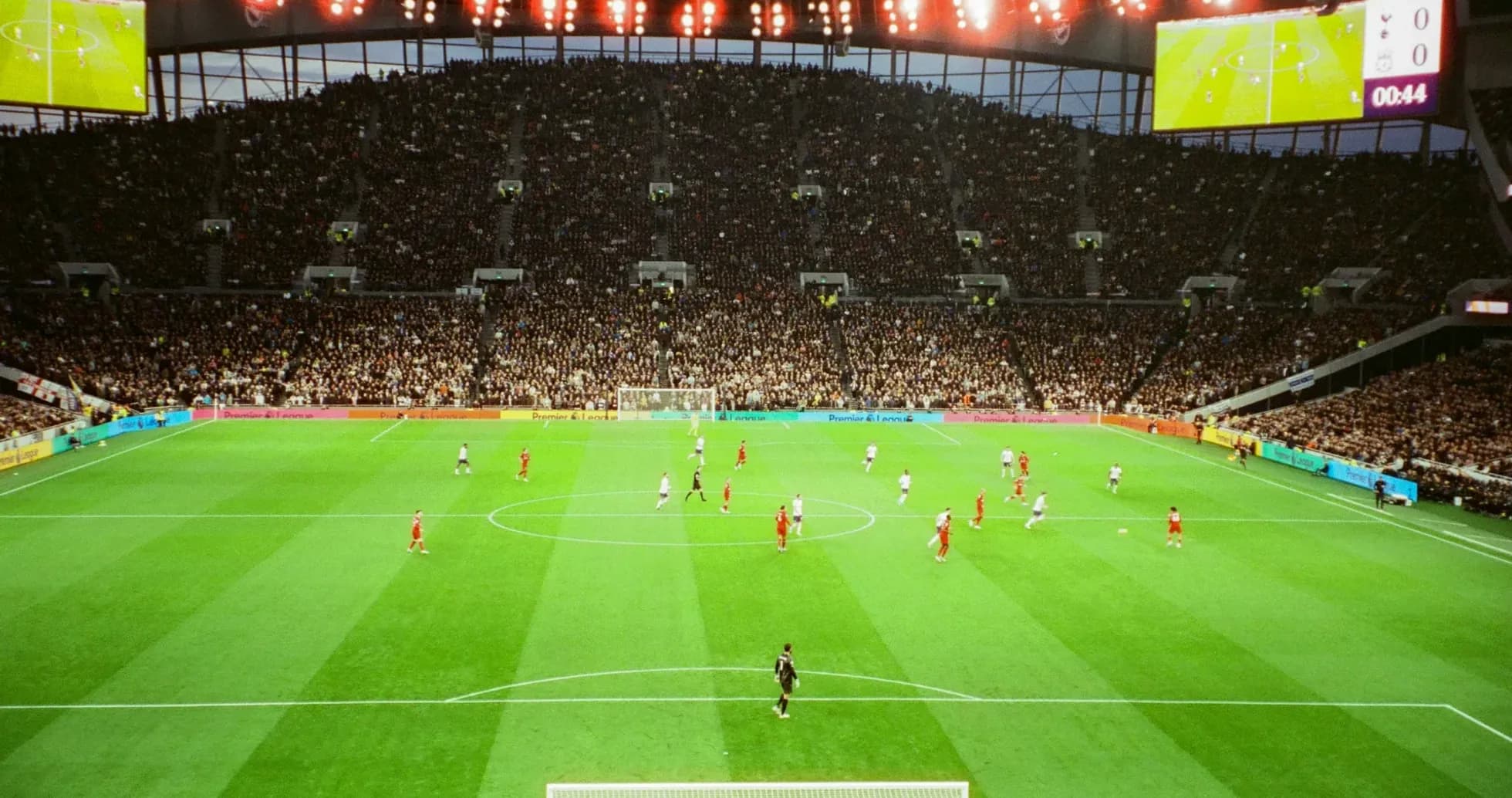
On a hot May evening at Stadio Diego Armando Maradona, Napoli closed their Serie A season with a 1–0 win over Udinese, a result that crystallised the gap between a side chasing titles and one still learning how to live in the top half. Following this result, Napoli finished 2nd on 76 points with a goal difference of 22 (58 scored, 36 conceded), while Udinese settled in 10th on 50 points and a goal difference of -3 (45 scored, 48 conceded).
I. The Big Picture – Conte’s structural statement
Antonio Conte used the final day not to experiment, but to underline his new Napoli’s identity. The 3-4-3 was a deliberate departure from the 3-4-2-1 that had been his most-used shape this campaign (21 matches), yet the principles were familiar: three centre-backs for platform, wing-backs for width, and a physically dominant central spine.
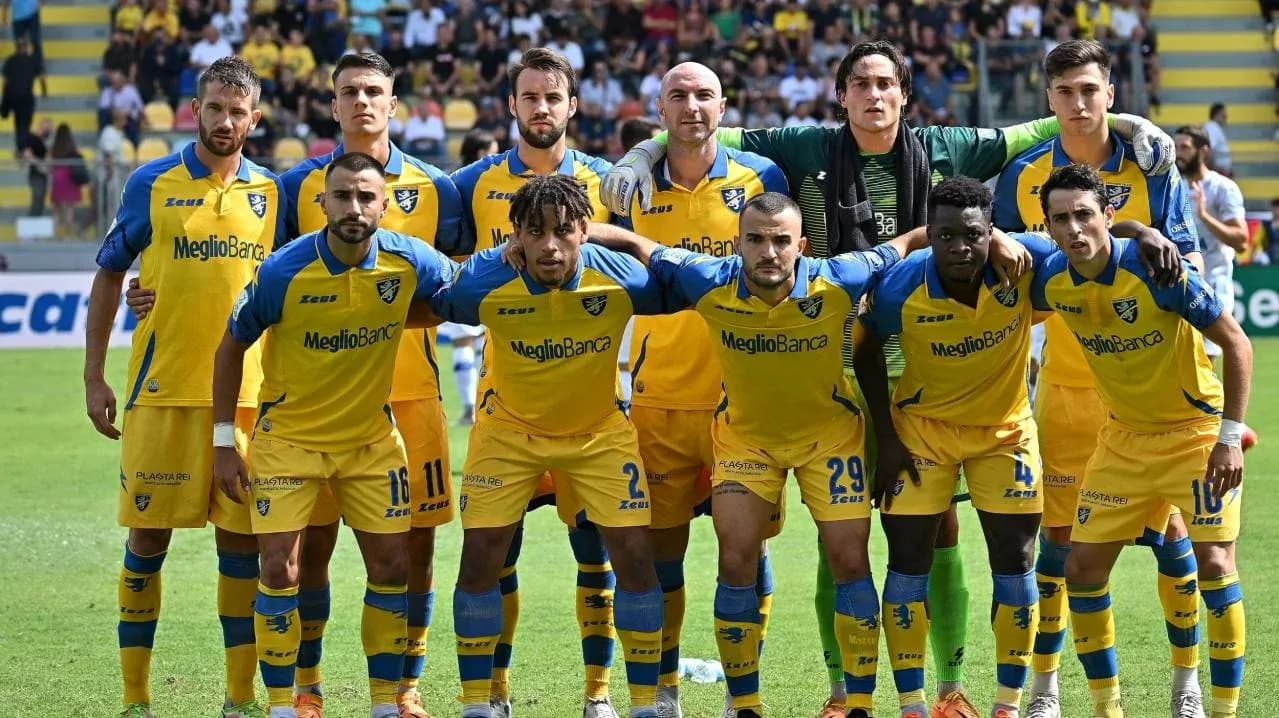
A. Meret anchored a back three of G. Di Lorenzo, A. Rrahmani and M. Olivera. Ahead of them, the double pivot of S. Lobotka and S. McTominay was flanked by M. Politano and M. Gutierrez, with E. Elmas supporting the spearhead R. Hojlund and the direct threat of Alisson Santos.
Napoli’s season-long numbers framed this as a match they were expected to control. At home they averaged 1.7 goals scored and only 0.9 conceded, winning 13 of 19. Clean sheets in 7 of those home fixtures reflected a defensive system that, once settled, became hard to disrupt.
Udinese, by contrast, arrived as an awkward away opponent but not an elite one. On their travels they scored 1.4 goals per game and conceded 1.4, winning 8 of 19. Kosta Runjaic’s choice of a 3-4-2-1 mirrored Napoli’s structure but with a different intention: resilience first, transition second. M. Okoye sat behind a trio of T. Kristensen, C. Kabasele and O. Solet, with K. Ehizibue and J. Zemura as wing-backs, J. Karlstrom and L. Miller central, and a narrow band of J. Piotrowski and A. Atta operating off lone striker K. Davis.
II. Tactical Voids – Absences and discipline
Both squads were shaped by who was missing as much as who played. Napoli were without David Neres and R. Lukaku, removing two of Conte’s most explosive vertical threats from the bench. That absence made the starting roles of Politano and Hojlund even more central: they were not just starters, but the primary sources of penetration.
Udinese’s absentees cut even deeper into their creative core. J. Ekkelenkamp and N. Zaniolo were both out, the latter having been one of Serie A’s leading assist providers with 6 and a high-volume dribbler (94 attempts, 33 successful). H. Kamara’s suspension for yellow cards stripped Runjaic of a combative presence, while J. Arizala and A. Zanoli were also unavailable. The result was a front line that leaned heavily on K. Davis for both hold-up and finishing.
Season-long card profiles hinted at how this contest might tilt. Napoli’s yellow cards peaked between 61–75 minutes (30.61%), a window where Conte’s side often increased their aggression to lock games down. Udinese, meanwhile, showed a dual spike: 26.76% of their yellows between 61–75 minutes and 23.94% between 76–90, suggesting late-game strain when chasing or defending tight margins. C. Kabasele, a key starter here, had already collected 5 yellows and 1 red this season, and his front-foot defending was always going to walk a fine line.
III. Key Matchups – Hunter vs Shield, Engine Room wars
Hunter vs Shield centred on R. Hojlund against an Udinese defence that, away from home, conceded 27 goals in 19 matches. Overall this campaign, Hojlund struck 12 league goals and added 5 assists, generating 46 shots with 25 on target. His profile is that of a vertical, duel-heavy centre-forward: 308 duels contested, 111 won, and 53 fouls drawn. Against a physically strong but occasionally rash unit of Kabasele and Solet, his movement between the lines and into the channels was always going to stretch their three-man block.
The Shield, in Udinese’s case, was collective rather than individual. Their away defensive record – 1.4 goals conceded per game – was middling, but they had 11 clean sheets overall, with 5 on their travels. Okoye’s shot-stopping and Kabasele’s 21 successful blocks across the season underpinned a low-block that could, on its day, suffocate more fluid attacks than Napoli’s.
In the Engine Room, the duel between S. McTominay and Udinese’s central pair was decisive. McTominay’s campaign has been quietly outstanding: 10 league goals from midfield, 3 assists, and a 7.06 average rating. He combined late-box arrivals with substantial off-the-ball work – 28 tackles, 13 successful blocks and 21 interceptions – and his physical presence gave Lobotka licence to orchestrate. Against J. Karlstrom and L. Miller, McTominay’s ability to both break lines with runs and screen transitions limited Udinese’s capacity to release K. Davis early.
Davis himself embodied Udinese’s offensive hope. With 10 goals and 4 assists, 38 shots (25 on target) and 2 penalties won, he was their focal point. His 319 duels (148 won) and 47 fouls drawn spoke of a striker who thrives on contact. Yet without Zaniolo’s 53 key passes behind him, his supply line in Naples was inevitably thinner.
IV. Statistical Prognosis – What this result tells us
Following this result, the numbers and the narrative aligned. Napoli’s season-long Expected Goals profile (not given explicitly, but reflected in their 1.5 goals per game overall and strong shot volumes for Hojlund and McTominay) matched what unfolded: sustained pressure, a narrow margin, and another home clean sheet feeding into a campaign total of 15 shutouts.
Defensively, conceding just 36 goals in 38 matches – 0.9 per game both at home and away – confirms Conte has built a structure that travels as well as it dominates in Naples. The 1–0 here was not an accident; it was a continuation of a pattern where Napoli control territory, limit chances, and rely on their front three and late-arriving midfielders to find just enough incision.
Udinese’s -3 goal difference and 1.2 goals scored per match overall frame this defeat as typical of their season against the elite: competitive, organised, but short of decisive quality in the final third, especially without Zaniolo and Ekkelenkamp. Their away record of 8 wins shows they can hurt vulnerable sides, but against a top-two defence, the margins were always likely to be unforgiving.
In the end, this match read like a tactical epilogue. Napoli, already transformed under Conte, signed off with a performance that fused defensive steel and structured aggression. Udinese, solidly mid-table, showed enough organisation to believe in Runjaic’s framework, but the absence of key creators and their reliance on Davis underscored the next step: adding more weapons to turn tight, disciplined losses like this into points.