Spain and Cape Verde Draw in World Cup 2026 Opener
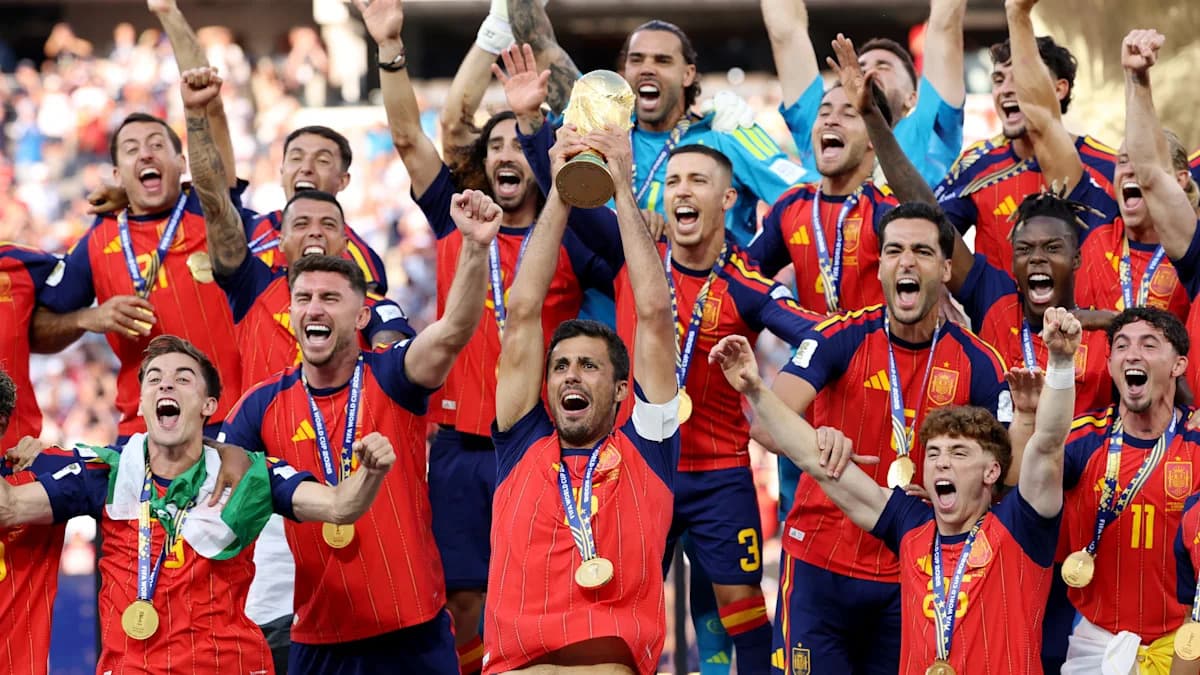
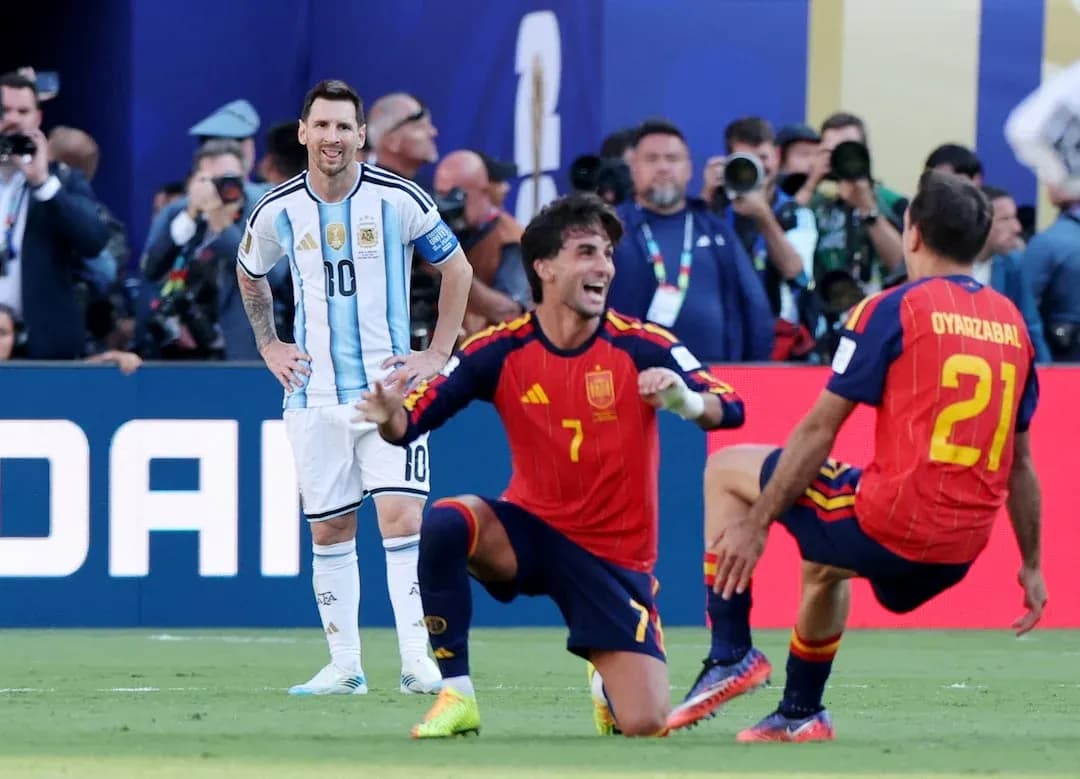
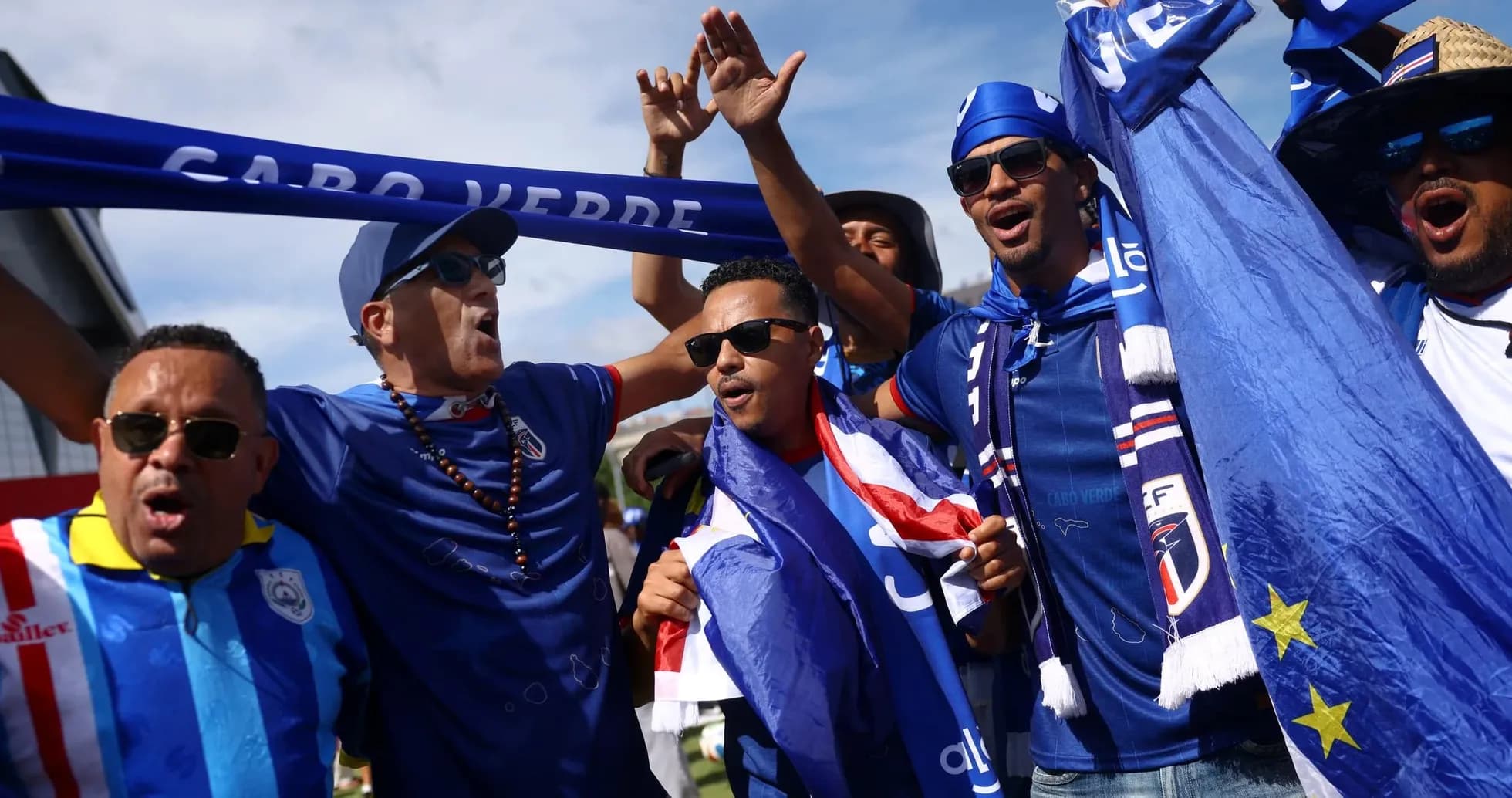
Under the closed roof of Mercedes-Benz Stadium, Spain and Cape Verde Islands opened their World Cup 2026 journey with a stalemate that said more about structure and discipline than cutting edge. Following this result, both sides leave Atlanta with a point, a clean sheet, and an early sketch of their tournament identities: Spain as a methodical, possession-first giant still searching for incision; Cape Verde as an organised, stubborn outsider unafraid to suffer.
I. The Big Picture: Group H’s slow burn
This was Group Stage - 1, the first step in a long tournament, and it showed. In total this campaign, Spain have played 1 match, drawn 1, scored 0 and conceded 0. Their goal difference overall is 0 (0 goals for minus 0 against), and they sit 3rd in Group H with 1 point, their form line a solitary “D”. Cape Verde mirror that return: 1 match, 1 draw, 0 goals for, 0 against, overall goal difference 0 and 1 point, placing them 4th in the group.
Spain’s season statistics frame this as a cautious, almost sterile start. At home they have played 1 fixture, with 0 wins, 1 draw and 0 defeats, scoring 0 and conceding 0. Their average goals for overall stand at 0.0, as do their goals against. They have kept 1 clean sheet in total but also failed to score in that same 1 match. Cape Verde’s numbers invert the venue but echo the story: on their travels they have played 1, drawn 1, failed to score and yet kept a clean sheet, with their overall goals for and against averages also fixed at 0.0.
The result is a Group H table that feels suspended: Spain notionally the heavyweight, Cape Verde the upstart, but neither yet able to tilt the narrative with a goal.
II. Tactical Voids and Disciplinary Undercurrents
There is no formal list of absentees, so the tactical voids here are less about who was missing and more about what was missing: risk, verticality, and penalty-box presence.
Luis de la Fuente stayed faithful to Spain’s default 4-3-3, the same structure they have used in all of their World Cup minutes so far (1 match, 1 appearance in this shape). Unai Simón behind a back four of Marcos Llorente, Pau Cubarsí, Aymeric Laporte and Marc Cucurella offered technical security and width, while the midfield triangle of Fabián Ruiz, Rodri and Pedri was built to suffocate the game through circulation. Up front, Ferran Torres, Mikel Oyarzabal and Gavi formed a mobile, interchanging line, but one that ultimately failed to convert territory into threat.
Cape Verde’s Pedro Leitao Brito answered with a 4-1-4-1, also used in all their minutes so far. Vozinha anchored a back four of S. Moreira, R. Lopes, D. Borges and S. Lopes Cabral, with K. Lenini screening in front. Ahead of him, R. Mendes, L. Duarte, J. Monteiro and J. Cabral formed a compact second line, leaving D. Livramento to chase channels and contest long clearances alone.
The disciplinary pattern underlined the contrast in how both teams experienced pressure. Spain’s card profile this campaign is strange: their only recorded yellow card in the competition so far has come in the 91-105 minute range, a single caution making up 100.00% of their bookings. It hints at frustration or late-game strain, even in a contest that finished 0-0 in regular time.
Cape Verde’s data is sharper. Their lone yellow card in the tournament has arrived in the 16-30 minute band, again 100.00% of their bookings. The culprit, S. Lopes Cabral, is also their standout defensive contributor in the disciplinary and duels charts: 1 yellow card, significant minutes (76), and a willingness to engage physically without crossing into red-card territory. Notably, despite his presence in the top red cards list, his record still shows 0 reds; his aggression is calibrated, not reckless.
Penalties are a non-factor so far. In total this campaign, Spain have had 0 penalties, scoring 0 and missing 0; Cape Verde are identical, with 0 taken, 0 scored and 0 missed. There is no early-season trauma from the spot to colour their decision-making in the box.
III. Key Matchups: Hunter vs Shield, Engine Room vs Anchor
With no goals yet in Group H for either side, “top scorers” are theoretical, but the tactical roles still define the key duels.
For Spain, the “Hunter” is collective rather than individual: the front three of Ferran Torres, Oyarzabal and Gavi operating against a Cape Verde defence that, on their travels, has yet to concede. Cape Verde’s overall defensive line has allowed 0 goals in 1 away match, their goal difference away sitting at 0 (0 for, 0 against). That clean-sheet platform is underpinned by S. Lopes Cabral, whose tournament numbers are quietly impressive: 17 passes with 82% accuracy, 2 tackles, 3 interceptions in one profile and 2 in another data slice, and 5 duels won out of 10 or 11 depending on the dataset. He has not blocked a recorded shot yet, but he has consistently stepped into passing lanes and duels, making him the Shield in this contest.
In midfield, the “Engine Room” battle is defined by Rodri and Pedri against K. Lenini and the Cape Verde interior trio. Rodri, sitting at the base of Spain’s 4-3-3, is the metronome and the insurance policy. With Spain yet to concede overall and having kept 1 clean sheet at home, his positional discipline has clearly contributed to that defensive stability. On the other side, K. Lenini’s role as the single pivot in the 4-1-4-1 is more reactive: breaking up play, screening passing lanes into D. Livramento, and providing cover for full-backs when Spain’s wingers drive inside.
S. Lopes Cabral’s two-way profile adds a twist. He has completed 1 successful dribble from 1 attempt and drawn 2 fouls, suggesting he can carry the ball out and relieve pressure. His yellow card in the 16-30 minute window, though, shows that his aggression can bubble early. Against Spain’s right side of Ferran Torres and Llorente, that edge can either be a weapon in winning duels or a risk in gifting set pieces.
IV. Statistical Prognosis: A cagey canvas waiting for colour
With no xG data provided, the statistical prognosis leans heavily on structure and early trends. Heading into their next games, both sides are defined by defensive solidity and offensive absence: in total this campaign, Spain and Cape Verde have combined for 2 matches, 0 goals scored, 0 conceded, and 2 clean sheets.
Spain’s reliance on a single formation (4-3-3 played 1 time) and their 1 clean sheet overall suggest a team that has its rest defence and spacing largely in order. Their failure to score in that same home match, however, underlines a need for sharper final-third mechanisms: more third-man runs from Gavi, better timing of overlaps from Cucurella and Llorente, and perhaps earlier use of bench weapons like Lamine Yamal, Nico Williams or Dani Olmo to disturb set defensive lines.
Cape Verde’s 4-1-4-1, played 1 time in total, has already proven it can compress space and frustrate a heavyweight. Their failed-to-score mark on their travels (1 away match without a goal) is the cost of that conservatism. For them, the next tactical evolution is finding ways to connect D. Livramento with midfield support earlier, and leveraging wide players like J. Cabral or R. Mendes on transition, without sacrificing the compactness that has yielded 1 away clean sheet.
Following this result, the numbers tell us this: both Spain and Cape Verde are defensively trustworthy but creatively incomplete. Until someone breaks that 0.0 average for goals for, Group H will remain a story of tension without release, a tactical chessboard waiting for its first bold, decisive move.