Dortmund vs Real Betis: Champions League Clash Under Lights
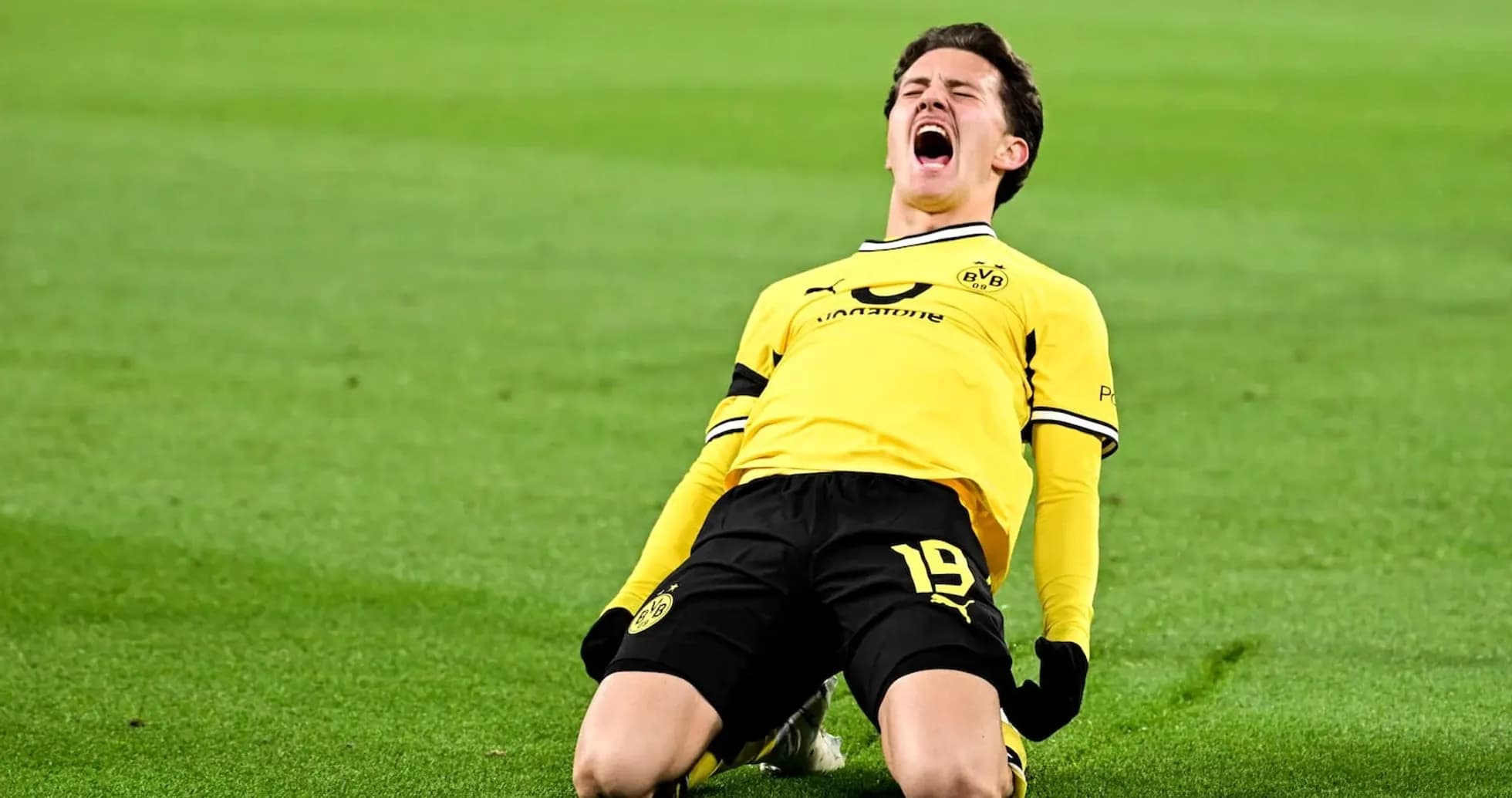
Signal Iduna Park under the lights, a Champions League league-stage night already heavy with consequence. The table said Round 4, but the mood felt closer to knockout football: Borussia Dortmund, 12th in the overall ranking on 9 points with a goal difference of +2, hosting Real Betis, 11th on the same 9 points and the same +2. By full time, a 2–1 home win had not only tilted the standings but revealed two very different footballing identities colliding at high speed.
I. The Big Picture: Structures, Stakes, and Seasonal DNA
Heading into this game, Dortmund’s continental profile was that of a high-variance, front-foot side. Overall in this Champions League campaign they had scored 7 and conceded 5 across 4 matches, their goal difference of +2 built on aggressive attacking patterns rather than control. At home, the numbers were even more stark: 5 goals scored and 3 conceded in just 2 games, an average of 2.5 goals for and 1.5 against at Signal Iduna Park. Clean sheets? None, home or away. This is a team that accepts chaos as the price of ambition.
Real Betis arrived as a more balanced, but still adventurous, unit. Across their 4 matches they had 8 goals for and 6 against, again a +2 goal difference, but with a slightly more measured profile: 2.0 goals scored on average both at home and on their travels, and 1.5 conceded overall. On their travels specifically, Betis had scored 4 and conceded 4 in 2 away fixtures, underlining both their attacking conviction and defensive exposure.
The formations told the story before a ball was kicked. Niko Kovac doubled down on Dortmund’s identity with a 3-4-2-1: Gregor Kobel behind a back three of Waldemar Anton, Nico Schlotterbeck and Ramy Bensebaini, a broad four-man midfield band anchored by Julian Ryerson, Joey Veerman, Felix Nmecha and Dario Svensson, with Jobe Bellingham and Fabio Silva floating behind Serhou Guirassy. It is a shape that invites verticality: three centre-backs to secure rest defence, wing-backs to stretch the pitch, and twin tens to overload the half-spaces.
Manuel Pellegrini answered with Real Betis’ now-familiar 4-2-3-1, the same structure they had used in all 4 Champions League matches this season. Arnau Valles in goal, a back four of Aitor Ortiz, Diego Llorente, Natan and Victor Gomez; a double pivot of Fabian Bernal and Dani Ceballos; Antony and Abde Ezzalzouli wide, Nelson Deossa central, and Troy Parrott leading the line. On paper, it was a system designed to test Dortmund’s wing-backs and the space either side of Veerman and Nmecha.
II. Tactical Voids: Absences and Discipline
Both sides were forced to redraw their internal maps before kick-off. Dortmund were without Emre Can, Giannis Konstantelias and Jefferson Lerma, all missing through injury. The absence of Can and Lerma stripped Kovac of his most natural ball-winners in midfield, pushing more responsibility onto Nmecha to protect transitions and onto Veerman to dictate tempo from deeper zones. It also explained the commitment to a back three: structural security compensating for lost individual duels.
Real Betis travelled without Alvaro Fidalgo (illness), Junior Firpo, Cristian Hernandez and Iker Losada. The missing full-back depth and midfield creativity narrowed Pellegrini’s options to change the tempo from the bench and reduced his flexibility if the wide areas became overwhelmed by Dortmund’s wing-backs.
Disciplinary trends added another layer of risk management. Dortmund’s yellow-card distribution this campaign had been front-loaded around key emotional phases: 28.57% of their cautions between 31–45 minutes, and another 28.57% in the 76–90 window. They are a side that spikes in intensity just before half-time and in the closing stretch, often walking the line between aggression and indiscipline. Betis, by contrast, had clustered their bookings between 46–90 minutes, with 25.00% each in the 46–60, 61–75 and 76–90 ranges, plus a notable 16.67% in added time. Their risk rises as the game opens up and fatigue bites.
In a match that stayed level at half-time (0–0) before cracking into a 2–1 Dortmund win by full time, those profiles mattered. The second half, where both teams historically accumulate the bulk of their cards, became the natural theatre for tactical fouls, stoppages and emotional surges.
III. Key Matchups: Hunter vs Shield, Engine Room, and the Flanks
The headline duel was always going to revolve around Serhou Guirassy. With 4 goals in 4 Champions League appearances and a player rating of 7.74, he is Dortmund’s reference point. He had taken 15 shots in the competition, 7 on target, and even converted a penalty, underlining both volume and efficiency. His presence at the tip of the 3-4-2-1 was designed to pin Betis’ centre-backs and punish any disorganisation in the box.
Against him stood Diego Llorente and Natan, the core of a Betis defence that had conceded 4 goals in 2 away matches and 6 overall. Their task was twofold: win aerial and physical duels against a 187cm, 82kg striker who relishes contact, and track the late arrivals of Bellingham and Silva into the gaps Guirassy created. Guirassy’s 21 total duels and 10 won in the competition illustrate how often he turns a simple long ball or vertical pass into a platform for Dortmund’s second line.
Behind him, the “engine room” battle pitted Veerman and Nmecha against Bernal and Ceballos. Dortmund’s lack of a pure destroyer meant Veerman’s passing range had to be balanced by Nmecha’s positional discipline. Betis, with Ceballos capable of dictating rhythm and Bernal screening, looked to draw Dortmund’s midfield out, then play through the half-spaces into Deossa and the wingers.
On the flanks, Ryerson and Svensson had to manage a double task: provide width in attack while tracking Antony and Ezzalzouli in transition. Betis’ away scoring average of 2.0 hinted at how dangerous those wide counters could be if Dortmund’s wing-backs were caught high. But Dortmund’s own home scoring rate of 2.5 suggested that, if they could pin Betis back, the Spanish side’s full-backs would be the ones under siege.
IV. Statistical Prognosis and Tactical Verdict
From a statistical standpoint, this was always likely to be a game of traded blows rather than sterile control. Dortmund’s overall average of 1.8 goals scored and 1.3 conceded, combined with Betis’ 2.0 for and 1.5 against, pointed towards a multi-goal contest. Neither side had a spotless defensive record; neither side had failed to score away (Betis) or at home (Dortmund).
The final 2–1 scoreline fit that profile almost perfectly. Dortmund’s willingness to embrace risk, their structural commitment to a 3-4-2-1, and the presence of a form striker in Guirassy tilted the margins their way in front of their own crowd. Betis’ 4-2-3-1 and their consistency across the campaign ensured they stayed competitive, but their away defensive average of 2.0 goals conceded ultimately resurfaced in Dortmund’s favour.
Following this result, the narrative is clear: Dortmund remain a high-octane, defensively vulnerable but emotionally powerful home side; Betis, for all their fluency, still have to solve the riddle of protecting their box on their travels. In a league stage that already feels like a prelude to the 1/16-finals, this night in Dortmund will be remembered as the moment one attacking project edged ahead of another by daring to lean into its own volatility.