FIFA Increases World Cup Funding and Tightens Rules Against Racism
FIFA has opened the vault ahead of the biggest World Cup in history – and tightened the rulebook at the same time.
On Tuesday in Vancouver, football’s governing body confirmed a huge jump in financial distributions for the 48 teams heading to the 2026 finals in Mexico, Canada and the United States, lifting the overall pot to $871 million. The previous figure, announced in December, stood at $727 million.
That’s not a tweak. It’s a statement.
Money to match a supersized World Cup
Concerns had been growing inside FIFA’s membership. A 48-team tournament spread across three vast countries brings soaring bills: long-haul travel, tax burdens, sprawling backroom operations. For some federations, the fear was stark — qualify for a World Cup and still come home in the red.
The council meeting in Vancouver changed the mood.
Preparation money for each qualified team jumps from $1.5 million to $2.5 million. The basic payment for simply reaching the tournament rises from $9 million to $10 million. On top of that, FIFA has boosted contributions for delegation costs and increased ticket allocations for teams, easing the pressure on associations trying to take larger staff and wider entourages to North America.
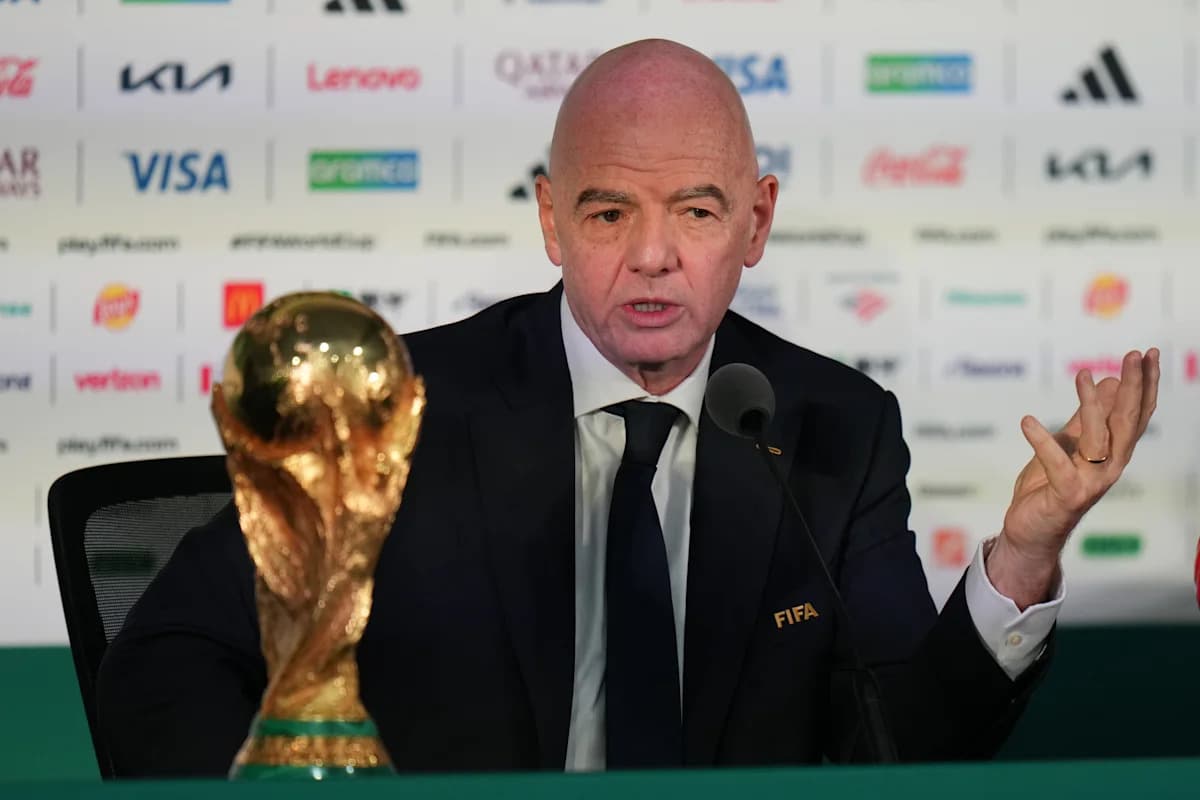
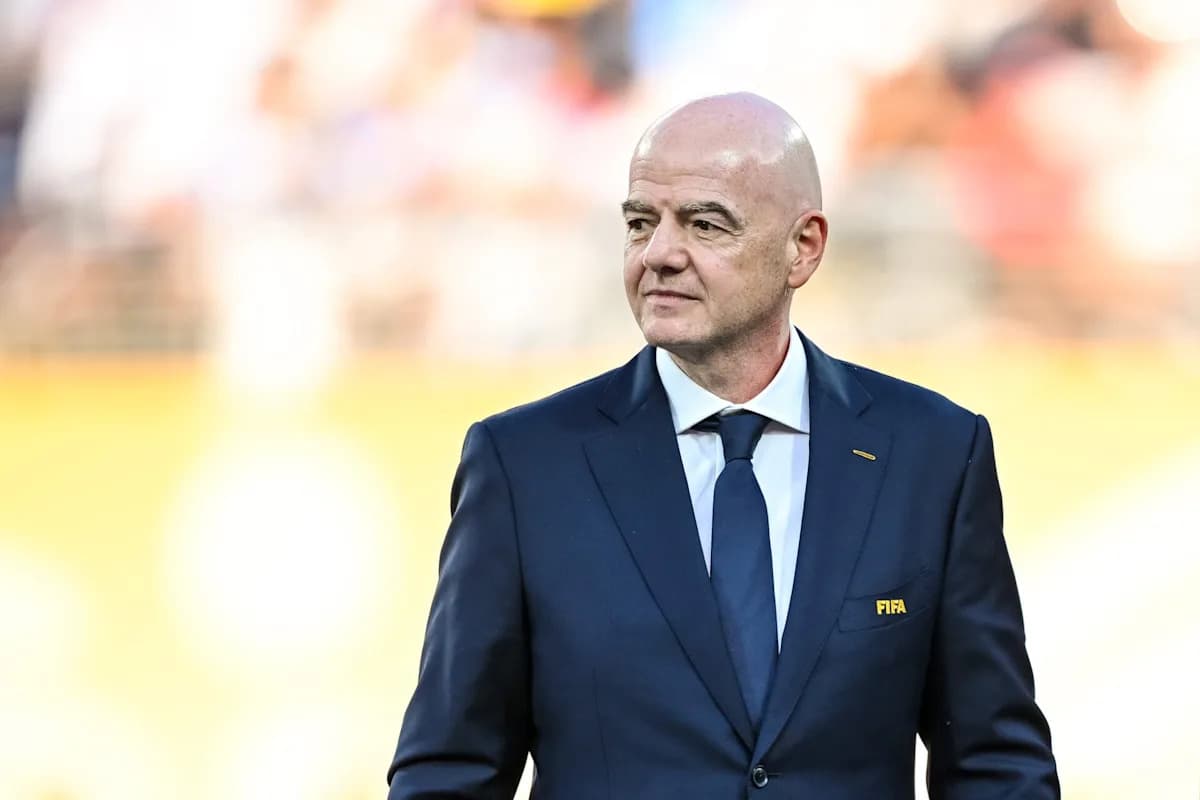
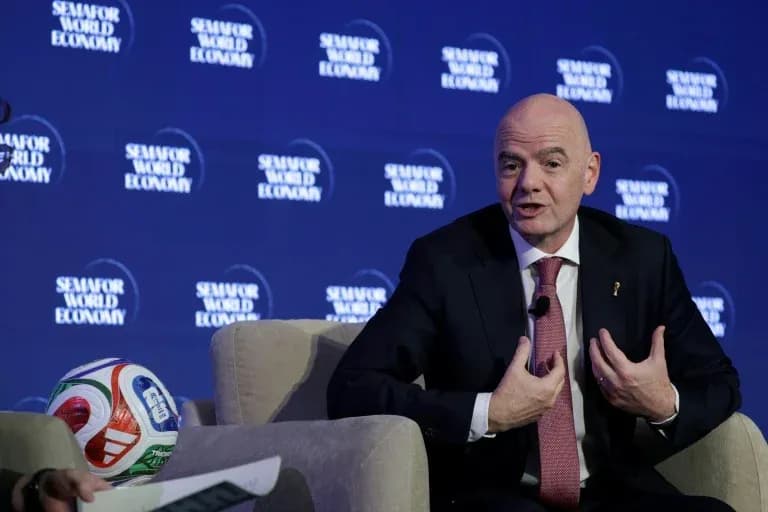
Gianni Infantino, never shy about underlining FIFA’s financial muscle, framed it as proof of strength. The organisation, he said, is in its “most solid financial position ever,” and the extra cash shows how “FIFA’s resources are reinvested back into the game.”
The numbers back up the swagger. Revenue for the current four-year World Cup cycle is projected at around $13 billion, powered by the expanded 2026 showpiece. Prize money for this edition had already surged 50 percent compared to Qatar 2022; the latest hike pushes the financial scale of the tournament even further into uncharted territory.
Yet the money story is not all positive. FIFA faces growing criticism over the price of tickets for 2026, while some U.S. local authorities have sharply raised transport costs during the event. Fans will pay heavily to be part of this “biggest ever” World Cup. The governing body has made sure the teams won’t be left counting the cost in the same way.
Red cards for mouth-covering as FIFA targets racism
The cash headlines were only half the story. The same Vancouver gathering delivered law changes that will reshape behaviour on the pitch when the tournament kicks off in Mexico City on June 11.
The most striking: players who cover their mouths during confrontations with opponents can now be sent off.
“At the discretion of the competition organiser, any player covering their mouth in a confrontational situation with an opponent may be sanctioned with a red card,” FIFA confirmed after the International Football Association Board (IFAB) meeting.
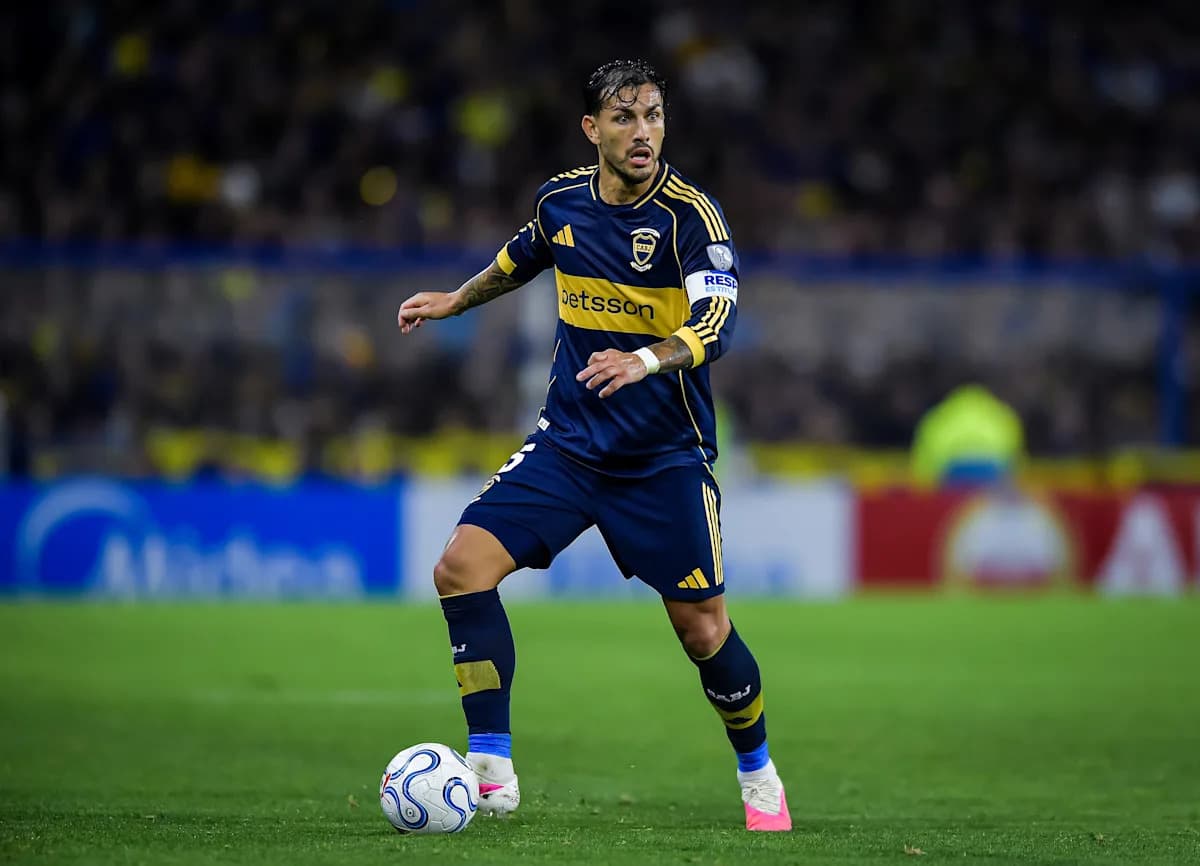
The move lands in the wake of a high-profile flashpoint. In February, Benfica winger Gianluca Prestianni was accused of racially abusing Real Madrid’s Vinicius Junior during a Champions League tie, allegedly calling him a “monkey” several times while shielding his mouth. Prestianni denied racist abuse but received a six-match ban — three of them suspended — for “homophobic conduct.”
That incident sharpened scrutiny on the now-familiar habit of players hiding their mouths when tempers flare. FIFA has decided enough is enough. The gesture will now carry real jeopardy.
The message is clear: if you want to confront an opponent, do it in the open. If you want to abuse them, expect to walk.
Walk off in protest? Expect red — and defeat
The disciplinary clampdown does not stop there.
FIFA also confirmed that players who leave the field in protest at a referee’s decision will face red cards at the World Cup. Teams that cause a match to be abandoned will automatically forfeit.
Those lines in the law book echo a dramatic episode from this year’s Africa Cup of Nations final in Rabat. When Morocco were awarded a penalty in added time, Senegal’s players, head coach Pape Thiaw and his staff walked off the pitch in fury. Brahim Diaz eventually missed the spot-kick, Senegal returned, and went on to win 1-0 in extra time.
The story didn’t end with the trophy lift. The Confederation of African Football later stripped Senegal of the title in a bombshell ruling last month. FIFA has now moved to ensure that such scenes at its flagship event carry immediate, non-negotiable consequences.
Walk away, and you lose.
Yellow cards wiped to keep stars on the stage
Not every tweak is punitive. One change will be welcomed by coaches, broadcasters and sponsors alike.
From this World Cup, single yellow cards picked up in the group stage will be wiped out after the first round. Bookings will then be reset again after the quarter-finals. Only players who collect two yellows before a reset point will be suspended.
The logic is simple: protect the tournament’s biggest names from missing its biggest games because of two minor infractions scattered across weeks of football. It is a safeguard against a semi-final or final being stripped of a star by a clumsy tackle in an early group match and a late time-wasting caution in a quarter-final.
In a World Cup built on scale, spectacle and revenue, FIFA has moved to ensure the key actors stay on stage as long as possible.
More money for teams. Harsher sanctions for walk-offs and hidden insults. A cleaner slate for yellow cards. When the ball rolls in Mexico City on June 11, the world’s most lucrative World Cup will kick off under a rulebook that is tougher, richer, and sharper than ever — and the stakes, on and off the pitch, have never been higher.