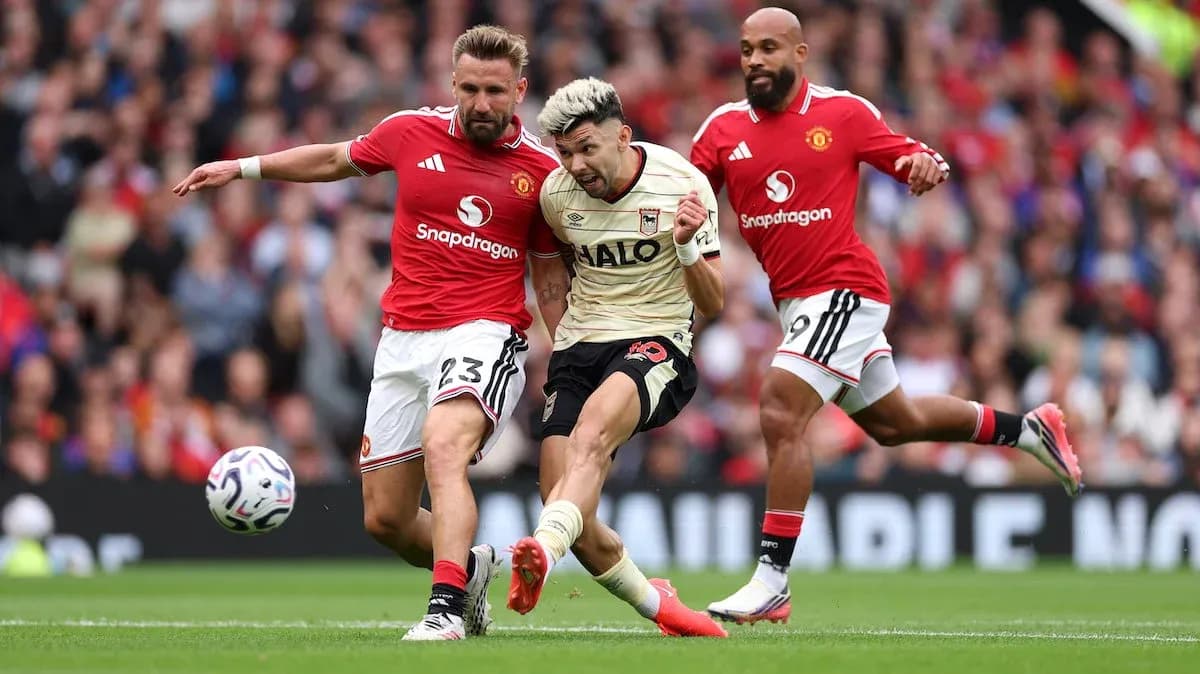
Manchester United's 5–2 Victory Over Ipswich: Early-Season Insights
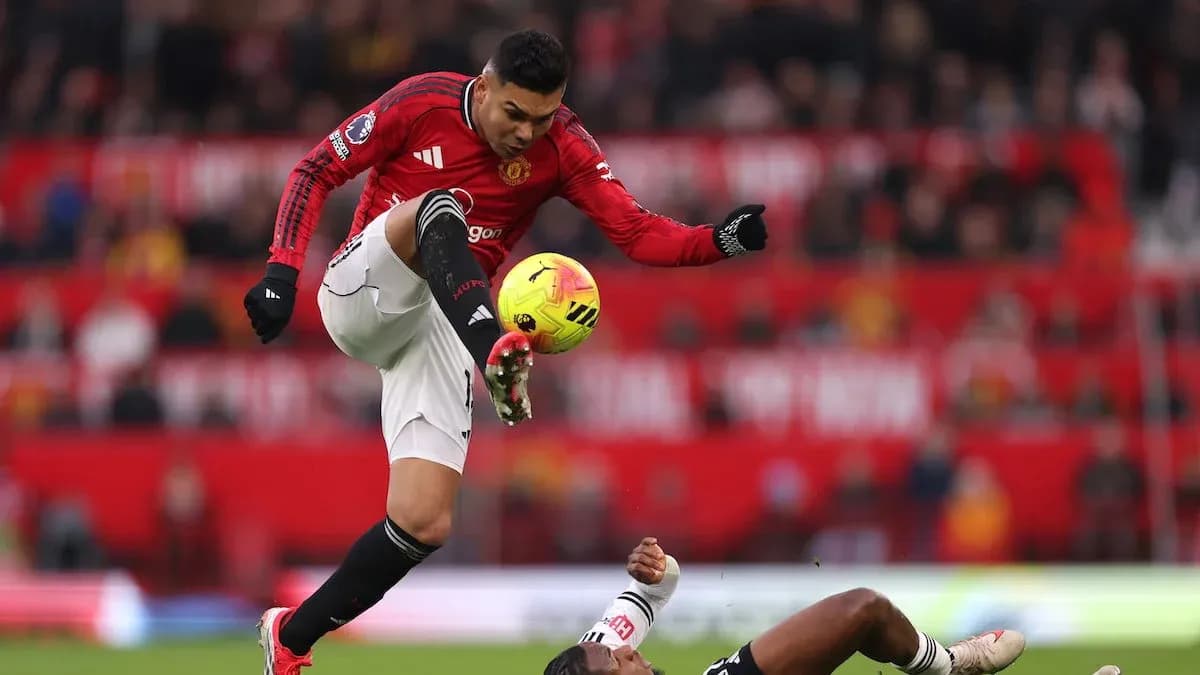
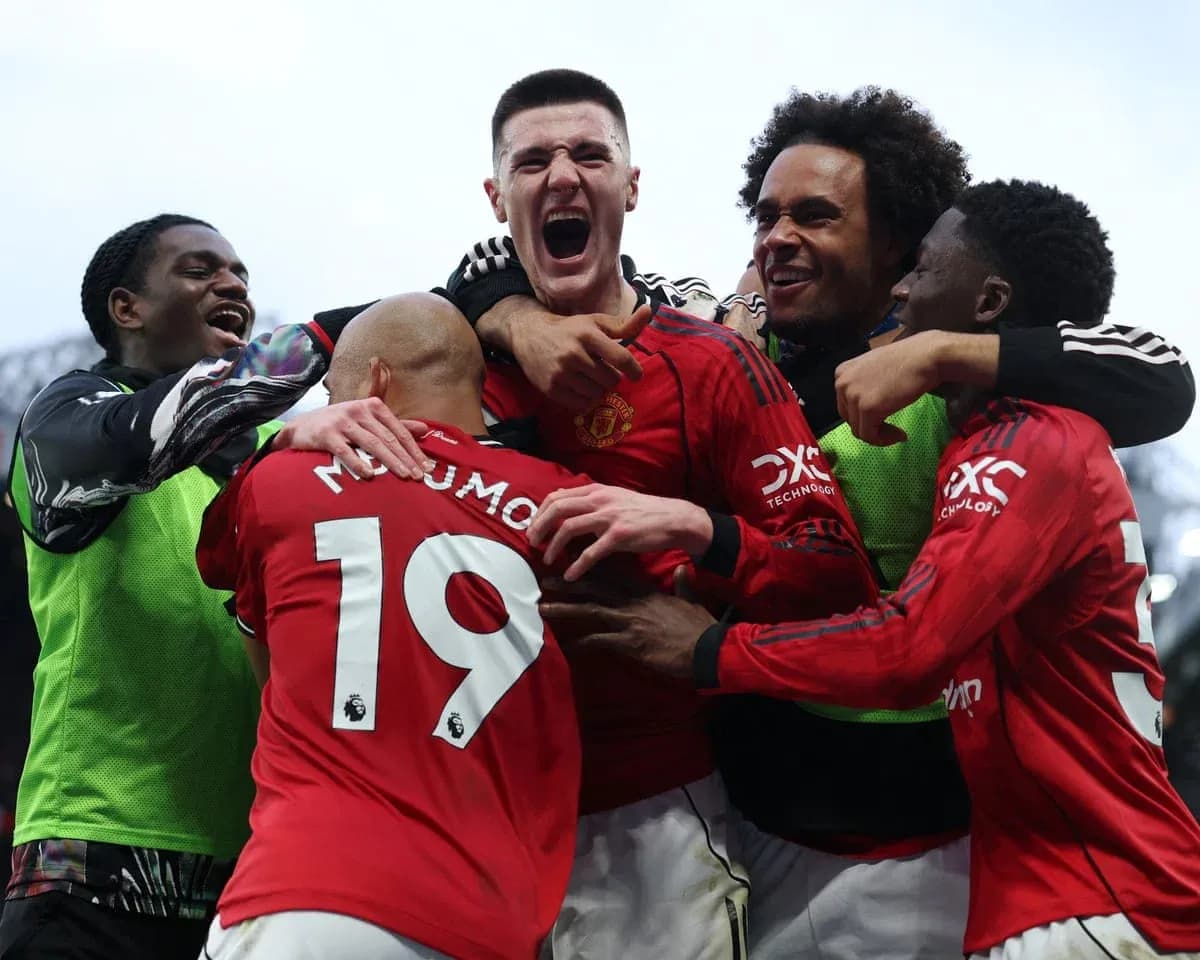
Old Trafford under late‑summer light has a particular feel to it: the sense that a season is still wet paint, yet already starting to take shape. Following this 5–2 win for Manchester United over Ipswich, the canvas is suddenly bolder, the lines of Michael Carrick’s new‑look side much clearer.
I. The Big Picture – Early‑season identities emerging
This was only Regular Season - 2 in the Premier League calendar, but it carried the weight of a statement. United arrived with a split personality: on their travels they had failed to score and lost 2–0, but at home they had already produced a 5–2 victory. Overall, after two league games, they now have 5 goals for and 4 against, giving them a goal difference of +1 and 3 points, enough for 10th place.
Ipswich, back on one of English football’s grandest stages, were similarly contradictory. At home they had edged a 2–1 win; away they had already conceded 5 in a 5–2 defeat. Overall, after two matches they sit 12th, with 4 goals scored and 6 conceded, a goal difference of -2 that underlines both their attacking intent and defensive vulnerability.
Both teams lined up in a mirrored 4‑2‑3‑1, but the systems told different stories. United’s shape was about layering creativity and vertical threat; Ipswich’s about trying to compress space and spring forward through their young, fearless attackers.
II. Tactical Voids – Absences that shaped the contest
Carrick’s team sheet was notable for who was missing as much as who started. A spine of experience and control was unavailable: C. Baleba (ankle injury), A. Diallo, T. Heaton, M. Mount (foot injury), M. Ugarte (knee injury) and M. de Ligt (back injury) were all ruled out. That stripped United of a natural holding midfielder in Ugarte, a ball‑progressing eight in Mount, and a dominant aerial presence in de Ligt.
In response, Carrick trusted youth and ball‑playing defenders. S. Lammens started in goal behind a back four of D. Dalot, H. Maguire, L. Martinez and L. Shaw. Ahead of them, K. Mainoo and Y. Tielemans formed a double pivot that was more about circulation and tempo than pure destruction. The attacking band of B. Mbeumo, B. Fernandes and M. Rashford, with M. Cunha as the nominal striker, meant United leaned heavily on intelligent movement rather than a classic penalty‑box target man.
Ipswich had their own absentees to navigate. Florentino (inactive), A. Matusiwa, J. Philogene and J. Taylor (knee injury) were all missing, robbing Gary O’Neil of extra ballast in midfield and wide creativity. Without Matusiwa’s screening and Florentino’s control, the double pivot of S. Lukic and M. Nunez had to cover more ground and more passing lanes than was comfortable against a United side intent on flooding central zones.
Discipline was another subtle undertone. United’s season card profile shows their yellow cards evenly split so far: 50.00% between 31–45 minutes and 50.00% between 91–105 minutes, suggesting lapses either side of the regulation whistle rather than a consistent problem. Ipswich’s bookings have clustered earlier: 66.67% of their yellows between 31–45 minutes and 33.33% between 46–60, hinting at a team that can become stretched and rash as the first half wears on and just after the restart.
III. Key Matchups – Hunter vs Shield, and the engine room
The headline duel was always going to orbit Bruno Fernandes. Heading into this game, he was already the league’s top‑rated player, with 3 goals and 1 assist from 2 appearances, 151 total passes at 84% accuracy, and 6 key passes. Stationed as the central playmaker in the 4‑2‑3‑1, he floated between Ipswich’s lines, constantly asking questions of Lukic and Nunez.
Ipswich’s shield had a daunting task. Lukic, a capable organiser, and Nunez, more of a connector, were responsible for narrowing the channels into Fernandes while also tracking the wide rotations of Mbeumo and Rashford. But with United averaging 5.0 goals at home and 2.0 goals conceded at home, this fixture was always likely to become a high‑event, central‑zone battle rather than a cautious chess match.
Out wide, A. Fatawu and J. Enciso represented Ipswich’s creative counterpunch. Enciso, with 2 assists in his first 2 league games and 85% passing accuracy, is already among the division’s top providers. His role as the central attacking midfielder behind Emersonn was to find pockets around Mainoo and Tielemans, then release the pace of D. Maeda and Fatawu into the channels.
Yet United’s full‑backs were well chosen for that threat. Dalot and Shaw are both comfortable defending wide spaces and stepping into midfield. With Martinez’s aggression and Maguire’s aerial dominance, United could afford to keep a relatively high line, compressing the zone where Enciso likes to operate and forcing Ipswich to hit longer, riskier passes toward Emersonn.
Up front, the “Hunter vs Shield” dynamic had a twist. Ipswich’s most clinical finisher on paper, C. Akpom, started on the bench despite his 1 goal from 2 appearances and 100% shot‑on‑target rate so far. Instead, Emersonn led the line, bringing 1 goal, 3 key passes and 2 successful dribbles from his early‑season outings. His duel with Maguire and Martinez was less about wrestling for crosses and more about timing runs into the inside‑right and inside‑left channels.
On United’s side, Cunha’s movement dragged Ipswich’s centre‑backs, I. Diop and J. Greaves, into uncomfortable zones. Diop prefers a deep, penalty‑box defence; Greaves is more front‑foot. Against a fluid front four, the lack of a natural, defensively‑minded holding midfielder in front of them was exposed.
IV. Statistical Prognosis – Why this game tilted red
From a numbers perspective, the pattern that produced a 5–2 full‑time score felt almost pre‑written. United at home are currently averaging 5.0 goals scored and 2.0 conceded; Ipswich away are averaging 2.0 scored and 5.0 conceded. Overlay those profiles and you get exactly the sort of chaotic, high‑scoring contest Old Trafford witnessed.
United’s penalty record also hints at a team comfortable piling pressure into the box: overall this season they have earned 1 penalty and converted it, with a 100.00% success rate so far and no misses. That constant threat forces defences to defend on the edge, increasing the likelihood of errors and further chances.
Ipswich, by contrast, have yet to earn or concede a penalty this campaign, but their overall defensive numbers are stark: 3.0 goals conceded per game in total, with a particularly fragile away figure of 5.0. Their lack of clean sheets home and away, combined with a card profile that spikes just before half‑time, suggests a side still learning how to manage momentum swings at this level.
Following this result, the tactical takeaway is clear. United’s 4‑2‑3‑1, built around Fernandes’ orchestration, Mainoo’s calm, and the width of Rashford and Mbeumo, has the firepower to overwhelm visiting defences, especially those still bedding in like Ipswich’s. O’Neil’s side, for all the promise of Enciso, Fatawu and Emersonn, will need either a fit Matusiwa or a tactical rethink in the pivot if they are to turn their attractive attacking profile into something more sustainable on their travels.
For now, Old Trafford has its early‑season narrative: flawed but exhilarating, vulnerable but devastating. And as the league table begins to stretch, both Manchester United and Ipswich have learned exactly where their strengths – and their voids – truly lie.